Tabella
ZENIT

ZENIT

VaticanWebsite

About

The World Seen From Rome

Latest Articles

ZENIT
JM
ZENIT
Jorge Enrique Mújicaabout 5 hours ago

The Synod’s ideas on synodality run up against the wall of canon law: here’s how experts explain it

(ZENIT News / Rome, 10.20.2026).- A proposal to reshape the Catholic Church’s legal framework has opened a serious debate over the relationship between lay participation, episcopal authority and the sacramental nature of Church government. Published on September 30, 2026, the final report of the Synod’s Canonical Commission suggests amendments to 34 canons and calls for a longer-term review of both the Latin and Eastern codes of canon law. While its authors seek to translate the Synod on Synodality’s conclusions into practical rules, several canon lawyers warn that some recommendations could blur distinctions the Church has traditionally made between the responsibilities of baptized Catholics and the authority entrusted to ordained ministers.

The controversy is not simply about administrative efficiency. At its heart lies a question with consequences for the Church’s identity: how far can participation in decision-making be expanded without altering the theological foundations of ecclesiastical authority?

The report remains consultative and non-binding. None of its proposals has become law, and any legislative change would require papal approval and formal promulgation. Nevertheless, the document has prompted an unusually pointed debate among experts over what synodality should mean in practice.

The limits of lay participation

Among the most outspoken critics is Dominican priest Pius Pietrzyk, a canon lawyer who argues that the report risks separating the Church’s power of governance from the sacrament of Holy Orders. He described its recommendations as ranging from minor cosmetic changes to what he considers a betrayal of the Second Vatican Council and the Church’s historical understanding of ecclesiology.

Gerald Murray, a canon lawyer and priest of the Archdiocese of New York, similarly sees a substantial doctrinal problem. In his assessment, the proposals would extend governing authority to baptized Catholics who have not received ordination, challenging the traditional relationship between the Church’s governing, teaching and sanctifying missions.

The commission’s recommendations include broadening the roles that qualified laypeople can exercise in ecclesiastical offices and ministries, increasing lay participation in particular Church councils, and changing the rules governing diocesan tribunals. It also proposes allowing diocesan bishops to appoint lay judges without the approval currently required from the episcopal conference, according to the report’s critics.

For Pietrzyk, the prospect of judicial bodies composed entirely of people without Holy Orders raises fundamental questions about the nature of Church authority. Murray argues more broadly that baptism gives every Christian equal dignity, but does not make every baptized person a pastor. In his view, the Church must distinguish the common vocation of all the faithful from the particular responsibilities conferred through ordination.

These objections represent a significant strand of Catholic canonical opinion, but they are not the only interpretation offered by specialists.

David Long, an adjunct professor at the Catholic University of America’s School of Canon Law, considers the questions more nuanced. He accepts that the report seeks to give greater legal recognition to the Second Vatican Council’s teaching on the supernatural sense of faith shared by the whole People of God. However, he questions the proposal to place that teaching at the beginning of Canon 749, which deals with infallibility. He believes it would fit more appropriately within Canon 750, alongside the Church’s shared profession of faith under the guidance of the Magisterium.

Long also cautions that the sensus fidelium—the faithful’s collective sense of the faith—must not be confused with a simple majority opinion. Its exercise, he argues, belongs within the Church’s communion and under the guidance of its teaching authority.

His position illustrates an important distinction in the debate: recognizing the contribution of the faithful does not necessarily mean transferring ecclesiastical authority away from bishops and priests.

Consultation, consent and episcopal responsibility

Some of the report’s proposals concern mechanisms intended to make Church governance more participatory and accountable. These include making diocesan pastoral councils compulsory and requiring the consent of the presbyteral council for certain significant episcopal decisions.

Long welcomes the prospect of stronger pastoral consultation and greater accountability, but warns that requiring consent goes further than seeking advice. The legislation, he argues, would need to clarify what happens when a bishop and his presbyteral council cannot reach agreement.

This is more than a procedural detail. Bishops remain responsible for governing their dioceses, and any system of shared decision-making must explain how that responsibility operates when consensus proves impossible. Participation can improve decisions, but unclear lines of authority may instead create conflict and uncertainty.

Another disputed proposal concerns the delegation of laypeople to assist at marriages. Current canon law already permits such delegation in particular circumstances, especially where priests and deacons are unavailable, subject to the required authorizations. The commission’s proposal would remove the Holy See’s role in this process.

Murray stresses that the layperson assisting at a Catholic marriage does not confer the sacrament or give the priestly blessing. In the Latin Church, the spouses confer the sacrament upon each other through their consent, while the authorized assistant receives that consent in the name of the Church. The debate, therefore, concerns not whether laypeople can perform useful functions, but how exceptional provisions should be regulated and whether their scope should be expanded.

The same distinction lies behind the wider disagreement over lay judges. Long notes that existing canon law already permits lay judges, so their participation is not inherently a departure from Catholic doctrine. His principal concern is whether the report defines the proposed expansion of lay authority with sufficient precision.

Is synodality becoming a new constitutional principle?

The commission’s longer-term ambition raises questions beyond individual canons. It identifies a need for a comprehensive revision of the Latin and Eastern codes to incorporate the theological and ecclesiological insights associated with the 2021–2024 Synod on Synodality.

Italian theologian Nicola Bux warns against turning synodality into a universal principle that effectively becomes obligatory for the whole Church. The Synod of Bishops, established in its modern form by Pope Paul VI, has a consultative character; the pope retains the authority to decide which recommendations to adopt. Bux argues that synodality can be a valuable method of participation, but should not be treated as a substitute for the Church’s sacramental and hierarchical structure.

He also questions whether the proliferation of documents, commissions and organizational reforms is addressing the Church’s most pressing needs. In his view, renewed faith, priestly vocations and the transmission of Christianity to younger generations deserve greater attention than institutional redesign. Laypeople, he argues, serve the Church not only through councils and committees but also through family life, education, professional work and Christian witness in society.

This criticism touches on a broader pastoral concern. The credibility of the Church cannot be measured solely by the number of people involved in formal decision-making. Nor, however, should the importance of evangelization be used to dismiss legitimate questions about consultation, transparency or the contribution of lay expertise.

The challenge is to ensure that participation strengthens the Church’s mission rather than becoming an end in itself.

The decision now belongs to the Church’s highest authority

The report was coordinated by Archbishop Filippo Iannone, who headed the Dicastery for Legislative Texts when the commission was established and now leads the Dicastery for Bishops. Its ten members included Cardinal Gianfranco Ghirlanda, canon lawyer Myriam Wijlens and Spanish canonist José San José Prisco.

The debate has also coincided with a warning from Anthony Randazzo, the new prefect of the Dicastery for Legislative Texts, against treating synodality as an opportunity to abandon elements of the Church’s tradition.

Ultimately, the commission’s report does not settle the questions it raises. Its recommendations will have to withstand further canonical and theological scrutiny before any can become binding law. The pope will determine what, if anything, proceeds to legislation.

That distinction matters. A working document is neither a doctrinal definition nor a change in canon law. Yet the dispute exposes a genuine tension within the synodal process: how to make the voices and experience of the faithful count more visibly while preserving the particular responsibilities that Catholic doctrine attaches to ordained ministry.

Thank you for reading our content. If you would like to receive ZENIT’s daily e-mail news, you can subscribe for free through this link.

The post The Synod’s ideas on synodality run up against the wall of canon law: here’s how experts explain it appeared first on ZENIT - English.
ZENIT
ZS
ZENIT
ZENIT Staffabout 6 hours ago

The olive trees of Taybeh, under attack by Jewish settlers: A Christian Community Fights to Preserve Its Land, Livelihood and Identity

(ZENIT News / Jerusalem, 10.20.2026).- As violence against Palestinian farmers intensifies during the 2026 olive harvest in the occupied West Bank, the Christian village of Taybeh is confronting a threat that reaches far beyond lost income. Damaged trees, restricted access to farmland and mounting insecurity are undermining the ability of families to remain on their ancestral land. For the village’s Catholic parish priest, Father Bashar Fawadleh, the crisis is both an economic emergency and a struggle to protect a community’s historical roots.

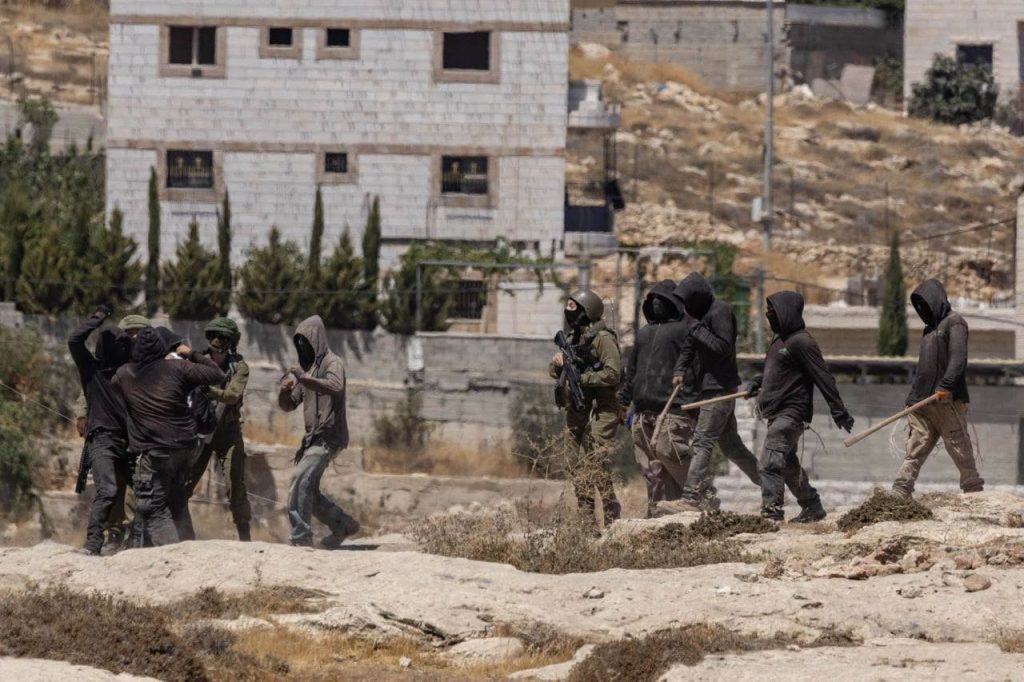
The scale of the violence became particularly visible on Friday, October 16, when Israeli settlers attacked at least eight Palestinian villages, according to local officials and the Palestinian Red Crescent. Cars and trees were set on fire, residents were beaten, and Washington Post photographer Heidi Levine was hospitalized after being assaulted while covering the harvest in Abu Falah. The Israeli military condemned the violence and acknowledged that a journalist had been injured. The newspaper and the Foreign Press Association called for those responsible to be brought to justice.

The incidents have intensified concerns about the safety of Palestinian civilians during one of the most important periods of the agricultural year.

An agricultural harvest increasingly out of reach

Olive cultivation sustains tens of thousands of Palestinian families. According to Abbas Milhem of the Palestinian Farmers Union, approximately 110,000 families depend on privately owned olive groves for income, while the harvest also provides seasonal employment for tens of thousands of agricultural workers.

This year, however, farmers face both violence and restrictions on access to their land. New rules governing the harvest have prevented Palestinians from working in areas designated as Area C, which falls under Israeli security control and contains much of the West Bank’s agricultural land. Approximately two-thirds of Taybeh’s territory lies in Area C, leaving many families particularly exposed to the restrictions.

Father Fawadleh has reported stolen olives and damaged trees, warning that some households will produce less olive oil than they need for their own consumption. For families already struggling financially, the loss of a harvest threatens not only their earnings but also their ability to maintain their homes and continue living on their land.

Palestinian health authorities reported that at least four Palestinians had been killed and more than 100 injured since the beginning of the harvest season. The United Nations Office for the Coordination of Humanitarian Affairs recorded more than 1,600 settler attacks across the West Bank between January and August 2026. The figures underline the wider context in which the harvest is taking place, although individual incidents and allegations of responsibility must be assessed on their specific evidence.

In Abu Falah, accounts of what happened after Israeli troops arrived differed sharply. Residents said a village council member, Abdel Jaber Hassan, was shot while unarmed and carrying harvesting tools. The military said soldiers fired because an individual was running toward them with a sharp object. The competing accounts have added to calls for a credible investigation.

Israeli human rights organization Yesh Din has accused the authorities of failing to adequately prevent settler attacks and prosecute those responsible. The Israeli government, meanwhile, has rejected portrayals that it considers unfairly damaging to the wider settler population. Prime Minister Benjamin Netanyahu condemned the violence in Abu Falah but disputed how the confrontation had been characterized.

The violence is also unfolding ahead of Israel’s October 27 election, amid heightened tensions over settlement policy and the conduct of the government.

Israeli settlers herding sheep on private property in the Christian village of Taybeh in the West Bank, damaging olive groves and preventing residents from accessing their land.
https://t.co/QiOAbofNdn https://t.co/SfaIlr86zM

— Ihab Hassan (@IhabHassane) June 1, 2026

Taybeh’s struggle to remain a living Christian community

For Taybeh, the consequences extend well beyond agriculture. Known as the last Palestinian village whose population remains entirely Christian, it is home to families determined to preserve their presence in the land associated with the origins of Christianity.

Madees Khoury, who runs her family’s brewery, describes daily life as a succession of obstacles. Military checkpoints and movement restrictions can make journeys to work, school and hospitals unpredictable, while commercial controls complicate the transport of goods. Although the brewery exports to 17 countries, sending its products to the nearby port of Haifa can take at least three days, despite the journey appearing to require only about an hour and a half on a map.

The company employs 15 people from Taybeh and neighboring villages. Production and sales have declined over the past three years, Khoury says, but the family has continued operating rather than abandoning its business.

She also describes a deterioration in the security environment around the village, including the burning of cars, threatening graffiti and attacks on farmers. Taybeh is now surrounded by seven settler outposts, according to her account, and residents have become increasingly fearful of moving around their own community.

“We want to live in peace, with dignity and in freedom,” Khoury says, expressing a desire that should not be extraordinary in any society. Her insistence on remaining is a declaration of attachment to home, but it also highlights how difficult it has become for Palestinian Christians to sustain ordinary family and economic life.

Maya Street, Middle East programme manager for CAFOD, the Catholic aid agency for England and Wales, says its local partners have repeatedly raised the alarm over escalating violence and restrictions. She describes the situation in Taybeh as part of a broader pattern threatening Palestinian land, livelihoods and heritage. The British government announced new sanctions against violent settlers and restrictions on trade with settlements last month.

Why the olive tree carries a meaning beyond its price

The destruction of olive trees has a significance that cannot be measured in agricultural losses alone. Across the Mediterranean, the tree represents continuity between generations, nourishment, peace and belonging. In Palestinian communities, centuries-old groves can embody the connection between families and land that remains central to their identity.

Italian theologian and biblical scholar Rosanna Virgili has drawn attention to the olive’s spiritual significance in both Christianity and Islam. In the Bible, the olive branch carried by the dove after the flood becomes a sign of renewed life and peace. Psalm 133 compares fraternal unity to precious oil poured upon the head. In the Quran, the olive is associated with blessing, nourishment and divine light.

For Catholics, olive oil also has a place in sacramental life. The sacred oils used in baptism, confirmation, ordination and the anointing of the sick signify different dimensions of Christian life, from initiation into the faith to spiritual strengthening and care at the end of life. The destruction of an olive grove does not itself destroy these sacraments, but the tree’s religious symbolism deepens the significance of what is being lost.

The olive tree also recalls Gethsemane, where Jesus prayed on the night before his crucifixion. In Christian reflection, that garden evokes vulnerability, suffering and the failure of others to remain beside someone in danger. The image offers a powerful lens through which to consider the predicament of families who fear that their land and homes are being left unprotected.

Such symbolism should not obscure the immediate realities: a damaged tree means lost income, food and years of agricultural labor. Nor should religious identity determine whose rights deserve protection. Palestinian Christians, Muslim farmers and other civilians are entitled to security, freedom of movement and protection from violence regardless of their faith.

Tonight, the Israeli army escorted settlers as they stormed the village of Deir Jarir in the West Bank.

The raid followed false accusations by settlers that Palestinians from the Christian village of Taybeh and Deir Jarir had stolen sheep.

Instead of arresting the settlers who attacked foreign diplomats in Taybeh yesterday, Israeli forces are escorting settlers as they enter Palestinian villages.

— Ihab Hassan (@IhabHassane) October 19, 2026

A call for protection, not abandonment

In his open letter, Father Fawadleh has appealed for solidarity, prayer and action. He is asking those with influence to help ensure safe access to farmland, protect agricultural workers and prevent further destruction. His appeal reflects a basic principle: communities should not be forced to choose between personal safety and the ability to cultivate their own land.

The responsibility to protect civilians rests with the authorities exercising control, and allegations of violence must be investigated impartially. Attacks on farmers, the destruction of property and assaults on journalists cannot be justified by political tensions or collective accusations. Those responsible should face accountability under the law.

The future of Taybeh matters beyond its immediate boundaries. The continued presence of Palestinian Christians is part of the living diversity of the Holy Land, not merely a remnant of its past. Preserving that presence requires more than expressions of concern about disappearing Christian communities. It requires conditions in which families can work, children can attend school, businesses can survive and farmers can harvest what they have planted.

If families cannot reach their trees or safely gather their fruit, the damage reaches from household finances to cultural memory and the possibility of remaining on ancestral land.

Thank you for reading our content. If you would like to receive ZENIT’s daily e-mail news, you can subscribe for free through this link.

The post The olive trees of Taybeh, under attack by Jewish settlers: A Christian Community Fights to Preserve Its Land, Livelihood and Identity appeared first on ZENIT - English.
ZENIT
ZS
ZENIT
ZENIT Staffabout 6 hours ago

More than 500 Million Christians Face Restricted Access to the Bible

(ZENIT News – Persecution.org / Washington, 10.20.2026).- The Bible Access Initiative, a collaboration of several ministries, has found that more than 500 million Christians live in nations where access to God’s Word is restricted.

Additionally, the research team discovered that more than 125 million believers live in places where they cannot access the Scriptures in any format.

The research team identified persecution, poverty, illiteracy, political restrictions, and lack of internet access as some of the main barriers to Bible access for multitudes of Christians. The research team developed two lists from its research:

  • Bible Restrictions List — These are the nations with the most restricted access to the Bible. The Top 10 most restricted nations for the Bible are Afghanistan, Yemen, Somalia, North Korea, Eritrea, Mauritania, Turkmenistan, Libya, Sudan, and Iran.
  • Bible Shortages List — These 10 nations face the greatest shortages of God’s Word: the Democratic Republic of Congo (DRC), Ethiopia, Nigeria, India, Uganda, Tanzania, China, Indonesia, Angola, and Mozambique.

“Please continue to pray for, and support initiatives and projects that increase the supply and availability of God’s precious Word for believers around the world,” an International Christian Concern (ICC) staffer said.

Thank you for reading our content. If you would like to receive ZENIT’s daily e-mail news, you can subscribe for free through this link.

The post More than 500 Million Christians Face Restricted Access to the Bible appeared first on ZENIT - English.
ZENIT
ZS
ZENIT
ZENIT Staff1 day ago

Following a call with Putin, Leon XIV is now speaking by phone with the president of Ukraine

(ZENIT News / Vatican City, 10.19.2026).- On the afternoon of Monday, October 19, the Holy See Press Office announced that Pope Leo XIV and Ukrainian President Volodymyr Zelenskyy had spoken by phone. The call took place three days after the Holy Father spoke by phone with Russian President Vladimir Putin.

“Today, His Holiness Pope Leo XIV spoke by telephone with His Excellency Mr Volodymyr  Zelensky, President of Ukraine. In the course of the conversation, the Holy Father recalled the grave situation in the city of  Oleshky, in the Kherson region, and made reference to the request for a humanitarian ceasefire that  he had presented to the President of the Russian Federation”, the statement said.

And added: “His Holiness expressed the hope that cooperation between both parties will allow for the  delivery of food and medical aid, and for the voluntary and safe evacuation of the civilian population. Finally, the Holy Father reaffirmed the commitment of the Holy See to promoting dialogue  and peace”.

Thank you for reading our content. If you would like to receive ZENIT’s daily e-mail news, you can subscribe for free through this link.

The post Following a call with Putin, Leon XIV is now speaking by phone with the president of Ukraine appeared first on ZENIT - English.
ZENIT
ZS
ZENIT
ZENIT Staff1 day ago

The Legion of Christ Updates Its Child Protection Policy Following the General Chapter

(ZENIT News / Rome, 10.19.2026).- In a letter sent to all Legionaries of Christ, Father Carlos Gutiérrez, L.C., Director General of the Congregation, explained that «this publication represents an important step in the journey the Congregation has been undertaking to consolidate a culture of safeguarding, care, and responsibility. The document incorporates the experience gained over these years, as well as best practices that have been adopted within the Church and within our own institutional life.»

Growing Through Personal, Communal, and Institutional Conversion

In his communication, Father Gutiérrez emphasized that «‘Protect and Heal’ should not be viewed merely as a set of rules. It is intended to help us grow through a personal, communal, and institutional conversion, one that translates into guiding principles for daily life, healthy and respectful relationships, and truly safe environments within our communities, institutions, and apostolates.»

«I ask all Legionaries to receive this document with a spirit of openness and a willingness to learn about it, internalize it, and apply it faithfully, as appropriate,» he states.

Six Years of Learning

The 2026 General Chapter assessed the document and its implementation since it was first promulgated in 2020. In its Chapter Communiqué, it acknowledged that progress has been made on several fronts: the establishment of a culture of care rooted within the communities; the implementation of protocols for prevention and for the support of victims; and the production of annual reports that provide accountability regarding events, commitments, and the challenges encountered in addressing complaints and reporting cases. According to the General Chapter, none of this would have been possible without the participation of independent experts, collaborators, members of Regnum Christi, and, most importantly, the victims who shared their testimonies and observations.

Acknowledging Errors and Asking for Forgiveness

The General Chapter also acknowledged that «the document and its implementation have not been free from errors,» and that «there were instances where the necessary care for victims was not provided with the promptness or sensitivity they deserved.» In other cases, «the legitimate desire for transparency and reparation for those affected could not always be reconciled with the universal law of the Church, specifically regarding the respect due to the presumption of innocence and the good reputation of the accused.» It was also admitted that some religious members found guilty of these offenses «have felt alone, and even abandoned, during their judicial proceedings and while serving the penalties imposed upon them.»

To all those who have suffered as a result of these errors, as well as their families, the General Chapter, on behalf of the entire Legion, sincerely asks for forgiveness and renews its commitment to learn, henceforth, from these events. 

Aligned with Current Canon Law

The update to “Protect and Heal “was carried out by a working group and reviewed by canonists to ensure it met the objectives mandated by the General Chapter.

The update retains its three foundational pillars — prevention, support for victims, and the pursuit of justice for all involved –, while incorporating the Church’s most recent normative developments: the reform of Book VI of the Code of Canon Law; the Vademecum from the Dicastery for the Doctrine of the Faith regarding the sexual abuse of minors by clerics; updates to Sacramentorum Sanctitatis Tutela and Vos Estis Lux Mundi, as well as guidelines from the Dicastery for Legislative Texts concerning the protection of a person’s good name and the rights of the accused.

Future Updates

The 2026 General Chapter decided to delegate to the Director General the authority to promulgate and update this document moving forward; it will no longer be necessary to wait for a new General Chapter for the Congregation to incorporate into the document any changes that may arise in Canon or Civil Law.

With this update, the Legion of Christ reaffirms that the protection of the most vulnerable, the pursuit of truth and justice, and the accompaniment of those who have been wounded will continue to hold a central place in its mission, as expressed in the 2026 Chapter Communiqué.

Thank you for reading our content. If you would like to receive ZENIT’s daily e-mail news, you can subscribe for free through this link.

The post The Legion of Christ Updates Its Child Protection Policy Following the General Chapter appeared first on ZENIT - English.
ZENIT
ZS
ZENIT
ZENIT Staff1 day ago

605 cases of healing: Results of a study on healing prayer are published

(ZENIT News / Rome, 10.19.2026).- A doctoral study of 605 accounts of healing in Wales is challenging the idea that prayer for the sick belongs only to specialist ministries or religious gatherings. For Chloe Swart, an evangelical church leader and national director of Alpha in the United Kingdom, the central finding is strikingly simple: many people who reported being healed said the prayer came from a friend, relative or colleague in the middle of everyday life.

Her book, 605 Everyday Miracles, grew out of theological research that initially aimed to collect just eight to ten cases. Instead, Swart gathered 605 accounts describing experiences that she believes point to the continuing relevance of prayer for healing in Christian life.

The stories range from serious illnesses to persistent physical pain. According to her findings, 40 percent of those reporting healing had suffered from cancer, terminal illness or other severe conditions. The remaining 60 percent described relief from problems such as disabling arthritis, sciatica, tennis elbow and shin pain. These experiences were reported in settings far removed from formal religious ceremonies: workplaces, homes, gyms and even outside shops.

The people praying were often not clergy or recognized healing ministers. They were ordinary Christians who offered to pray when someone mentioned an illness or injury. In one example, a woman named Holly, who had been a Christian for only a year or two, prayed for a man who had injured his finger in a car door while she was at the gym. Others nearby then asked for prayer for back pain and an ankle injury. What began as a spontaneous gesture became an opportunity for several people to seek help through prayer.

From physical relief to a change of faith

For Swart, the significance of these accounts extends beyond the reported physical improvements. She found that some people who were not Christians began exploring or embracing the faith after experiences they attributed to prayer.

One such case involved an agnostic man in Spain named Diego, who had suffered persistent pain in his right knee for four months. After receiving magnetic resonance imaging results describing the problem, he attended an Alpha session where others prayed for him. Although he had never prayed before, he was encouraged simply to speak to God as he would to a friend. He later reported that his pain disappeared when he stood up and did not return. The experience left him deeply unsettled for months, he said in a 2018 account published by Alpha Spain. His eventual journey toward Christian faith also involved further reflection through a Christian formation course.

Another account concerns Adnaloy Estrada, a Venezuelan woman living in Spain. Watching people pray for one another during an Alpha course helped her understand prayer as a personal relationship with God. She subsequently began praying for others herself. Later, she prayed a variation of the rosary for an uncle who was close to death. According to her testimony, his condition improved after life support was withdrawn and doctors eventually told the family that he had recovered. She described the experience as a miracle through the intercession of the Virgin Mary.

Swart also recounts cases in which people reported recovery after prayer that was not directed specifically at them. One young man had endured repeated operations to remove a tumor that developed where a badly healed femur had left a gap. Before a further scan, someone in his church felt moved to pray generally for healing, without knowing about the young man’s condition. Swart says the subsequent scan showed that the tumor had disappeared and the bone had realigned.

In another story, a man’s foot was crushed by fallen machinery while he was helping friends design a garden. His bones were broken, his pain was severe and an ambulance had been called. The children of the family he was helping prayed for him; according to the account, the pain and swelling disappeared and the foot recovered, so the ambulance was canceled.

Such testimonies are central to Swart’s research, but they also raise an important question about how claims of miraculous healing should be assessed.

What the research can—and cannot—establish

Swart acknowledges that investigating healing scientifically is difficult. Her doctoral work collected personal accounts rather than conducting a controlled medical study, and she did not require participants to provide medical documentation. Some supplied scans or other records voluntarily, but the collection as a whole does not constitute systematic clinical verification of all 605 cases.

The distinction matters. Personal testimony can be significant to the people who experience it and can reveal patterns worth investigating, but accounts alone cannot establish the medical cause of a recovery or prove that every reported healing was supernatural. Swart argues that the similarity among so many stories was sociologically meaningful, particularly because she had expected to find only a handful.

Her findings also suggest that healing, as described by participants, does not always happen immediately. About one-third reported an instant recovery, another third said improvement came after roughly two weeks, and the remainder described healing following repeated prayers. Swart says that when someone experiences only partial relief, Christians may offer to pray again, while recognizing that the outcome cannot be guaranteed.

That uncertainty is an essential part of her message. Swart does not claim that everyone who receives prayer will recover, nor does she suggest that a person must possess a special spiritual gift to pray for the sick. She compares healing prayer with evangelization: some Christians may have particular gifts, but sharing faith is not reserved for a select few.

Her advice is practical. Christians can ask whether someone would welcome prayer, pray in the name of Jesus using ordinary language, and then ask how the person feels. If there is no improvement, they can offer to pray again without treating recovery as something they can command or control. She stresses that the responsibility for the outcome belongs to God, not to the person praying.

An invitation, not a substitute for medical care

The approach is also being practiced in Alpha courses in Spain, where a session on prayer invites participants to pray for physical healing when someone requests it. The experience can lead people to reflect on faith, whether or not they report a physical recovery.

For Swart, the aim of 605 Everyday Miracles is to encourage Christians to overcome the fear that they are unqualified to pray for another person. Her accounts suggest that such prayer is often offered in ordinary relationships rather than on a stage or in a church service.

Yet a responsible understanding of Christian healing must preserve an important distinction: prayer can accompany suffering, hope and medical treatment, but it should not be used to discourage professional care or to blame sick people when they do not recover. Swart’s own admission that outcomes are uncertain underscores why humility is necessary alongside confidence in prayer.

Thank you for reading our content. If you would like to receive ZENIT’s daily e-mail news, you can subscribe for free through this link.

The post 605 cases of healing: Results of a study on healing prayer are published appeared first on ZENIT - English.
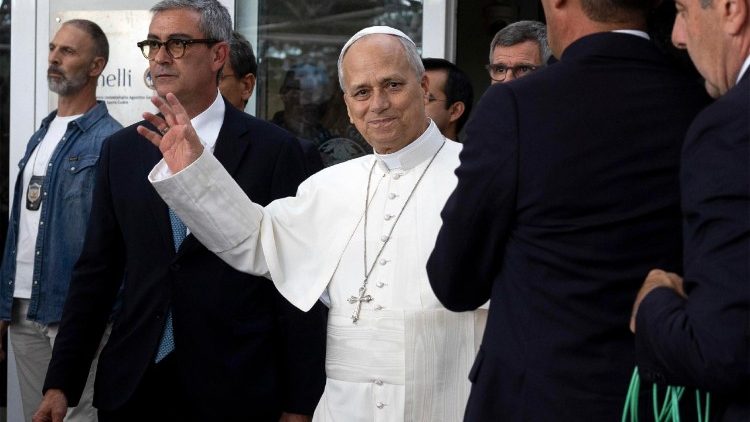
ZENIT
FM
ZENIT
Fr. Edward McNamara2 days ago

Questions about liturgy: Orans Gesture at Funerals

(ZENIT News / Rome, 10.18.2026).- Answered by Legionary of Christ Father Edward McNamara, professor of liturgy and sacramental theology at the Pontifical Regina Apostolorum university.

Q: My question is related to the position of a priest’s hands in some of the prayers at funerals. For the prayer of commendation and committal, what is the proper gesture for the priest? The rite doesn’t seem to specify. There are other prayers that don’t seem to specify the gestures; I have seen different ways (for example, the concluding prayer of vespers—orans?). What are some principles to help guide the use of gestures in prayer if the liturgical books do not specify? — P.T., Baltimore, Maryland

A: Effectively, while some rites contain detailed prescriptions as to gestures and postures, others are not determined by the rubrics.

On occasions this might be a deliberate choice because the practical circumstances might be so varied that it would be cumbersome to prescribe certain gestures that later result impossible to fulfill.

The orans posture of a minister praying with arms extended is usually reserved for presidential prayers and, hence, to ordained ministers who preside over a liturgical assembly. Thus, it is used only by a bishop, priest and, in some situations, a deacon. Concelebrants will also use this gesture for some parts of the Eucharistic Prayer.

The nature of these presidential prayers is that, with a few exceptions, they are addressed to the Father as are the Eucharistic Prayers, the collect, the Prayer over the Gifts, the concluding prayer of the Prayer of the Faithful, and the Prayer after Communion at Mass. There are analogous prayers in other liturgical rites such as the Liturgy of the Hours.

Taking the above into account we could divide the rite of commendation into two parts.

The initial invitation of the rite of commendation in a funeral is not directly addressed to God the Father but toward the assembly. Thus, one option says:

«Before we go our separate ways, let us take leave of our brother/sister. May our farewell express our affection for him/her; may it ease our sadness and strengthen our hope. One day we shall joyfully greet him/her again when the love of Christ, which conquers all things, destroys even death itself.»

After the sprinkling with holy water, incensation and the song of farewell, the minister proceeds to recite one of the prayers of commendation. To wit:

«Into your hands, Father of mercies,

we commend our brother/sister N.

in the sure and certain hope

that, together with all who have died in Christ,

he/she will rise with him.

(We give you thanks for the blessings

which you bestowed upon N. in this life:

they are signs to us of your goodness

and of our fellowship with the saints in Christ.)

Merciful Lord,

turn toward us and listen to our prayers:

open the gates of paradise to your servant

and help us who remain

to comfort one another with assurances of faith,

until we all meet in Christ

and are with you and with our brother/sister forever.

We ask this through Christ our Lord.

R.Amen.»

Since this latter prayer is addressed to the Father, the ordained minister could well extend his hands even though nothing is determined in the books and he would be under no obligation to do so.

This lack of determination of a gesture, however, is quite logical given that many other factors could be involved in a funeral liturgy: The minister might or might not have an acolyte to hold the ritual book; and sometimes this prayer is used at the cemetery where the minister would generally have the book in his hands.

Also, on some occasions a lay minister may be called upon to recite the formula of commendation; nevertheless, the orans gesture, as a presidential liturgical act, is reserved exclusively to the ordained minister when reciting such prayers.

Something similar would probably hold for situations such as the concluding prayer of the Liturgy of the Hours.

The recitation of the Liturgy of the Hours, while always a liturgical act, is subject to every possible level of solemnity, from a group of friends praying together at home to a solemn office in a monastery or cathedral. In the modern world the Divine Office is increasingly recited and guided by laity without the presence of clergy.

Thus, I would say that, in a more solemn recitation, above all when presided over by a bishop, priest or deacon wearing the proper vestments, the concluding prayer would be recited using the orans posture but without saying «Let us pray» as the prayer follows immediately the Our Father. This was how Pope Leo XIV concluded solemn vespers on December 31, 2025.

In less solemn recitation in the presence of an ordained minister but without formal vestments, the minister could freely use the orans posture if he has his hands free but would not be required to do so.

In a celebration of any form (recited or sung) guided by a layperson, the orans posture would never be used for the concluding prayer.

This difference of gesture between clergy and laity is made quite explicit for other forms of prayer which may be recited by both. For example, while many of the blessing prayers in the Book of Blessings may be imparted by laypeople, the rubrics make clear distinctions with respect to the gestures used.

In blessing children, the rubric says that while reciting the prayer of blessing:

«A minister who is a priest or deacon says the prayer of blessing while laying hands on the child, a lay minister says the prayer with hands joined.»

For the conclusion of the rite, it determines that the priest or deacon dismiss the assembly by making the sign of the cross over them with the formula: «May the Lord … bless you …,» whereas the lay minister «concludes the rite by signing himself or herself with the sign of the cross and saying: «May the Lord … bless us ….»

In conclusion, when the liturgical books do not specify the gesture, but the style or form of the text is analogous to a presidential prayer addressed to the Father, the ordained minister may, but would not be obliged to, use the orans posture if this is deemed pastorally fruitful.

* * *

Readers may send questions to zenit.liturgy@gmail.com. Please put the word «Liturgy» in the subject field. The text should include your initials, your city and your state, province or country. Father McNamara can only answer a small selection of the great number of questions that arrive.

Thank you for reading our content. If you would like to receive ZENIT’s daily e-mail news, you can subscribe for free through this link.

The post Questions about liturgy: Orans Gesture at Funerals appeared first on ZENIT - English.
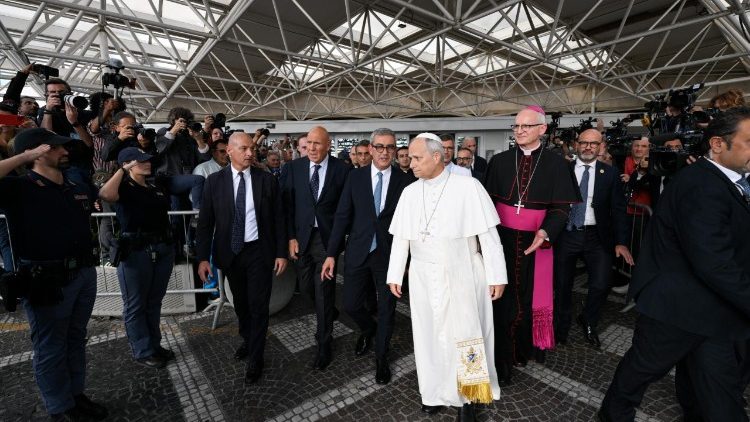
ZENIT
ZS
ZENIT
ZENIT Staff2 days ago

The Parable of the Wedding Banquet, Briefly Explained by Pope Leo XIV

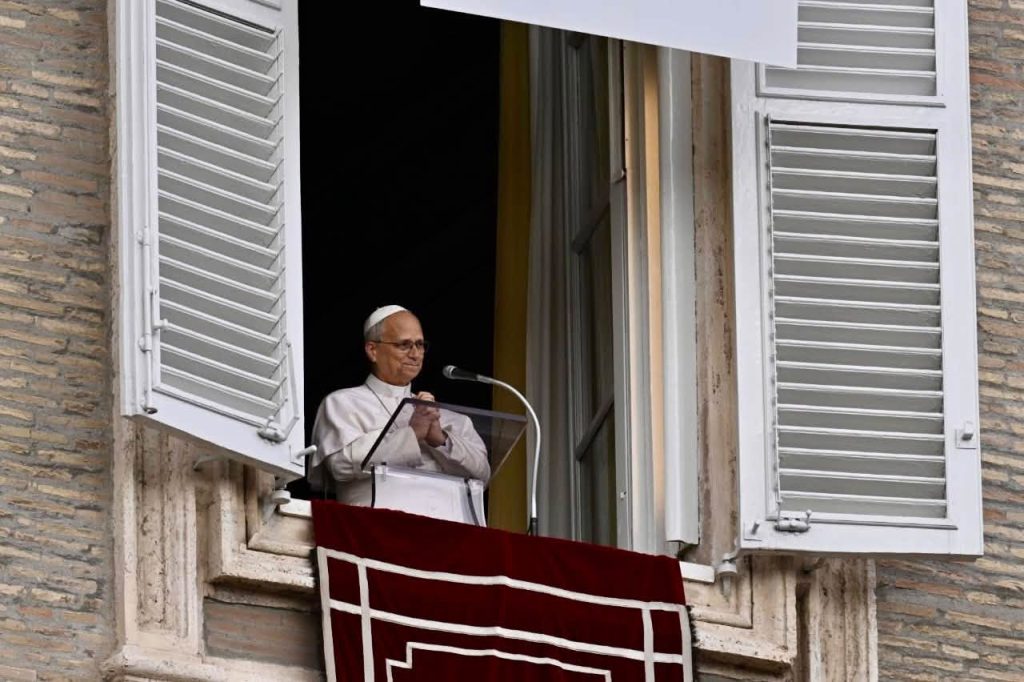
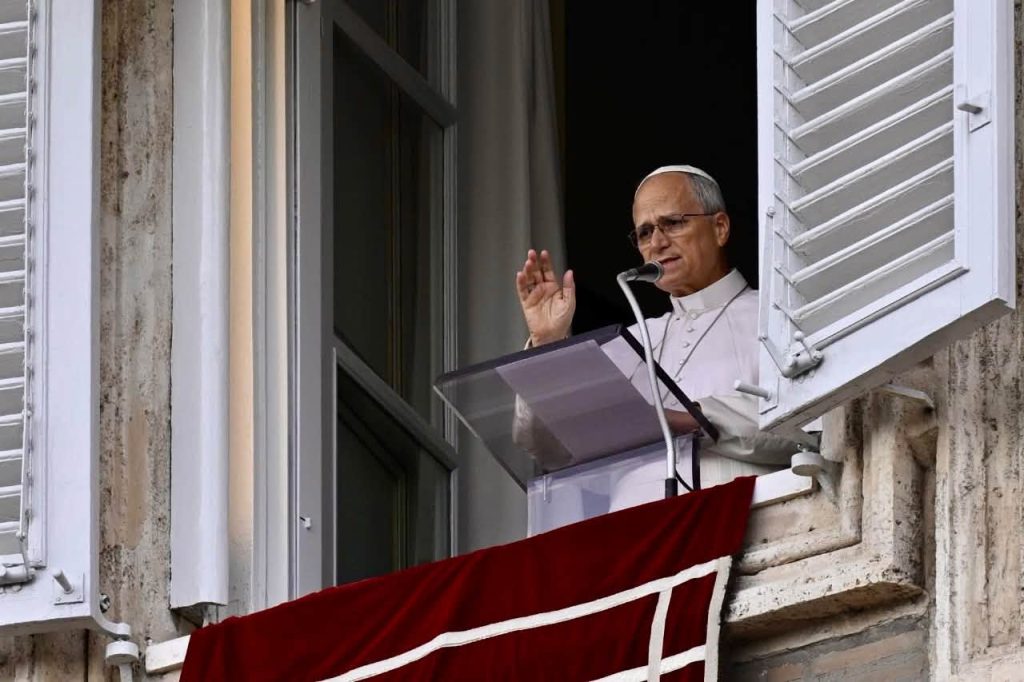
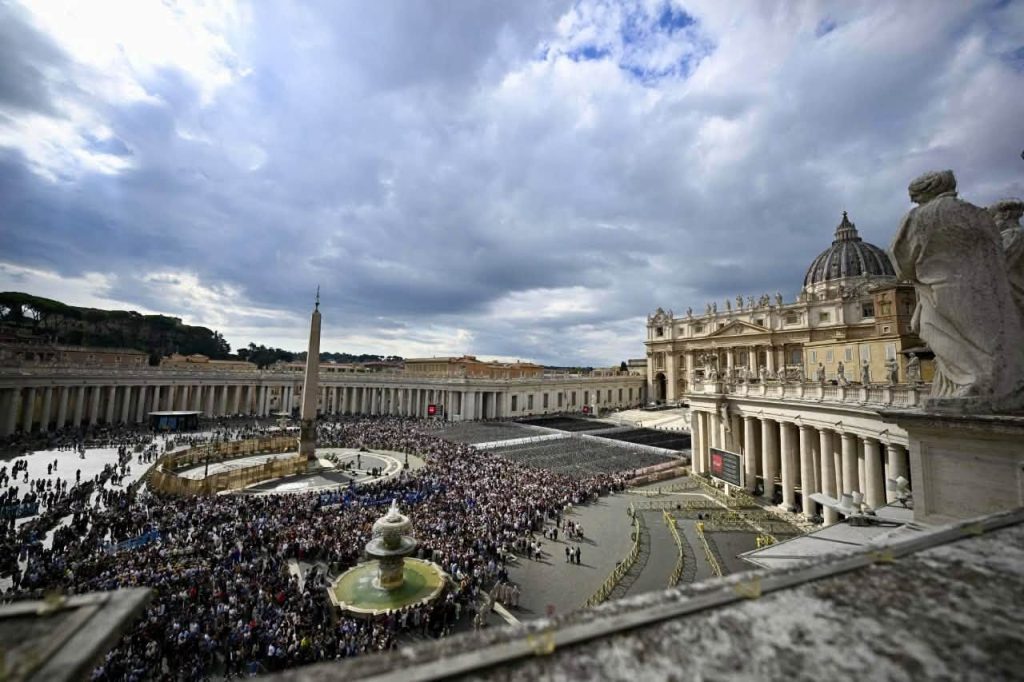
(ZENIT News / Rome, 10.18.2026).- A week after announcing that he would undergo surgery, Leo XIV appeared once again at a large public event at noon on Sunday, October 18. The occasion was the recitation of the Marian prayer, the Angelus, from the window of the papal apartment. For this occasion, there was a particularly large turnout of the faithful. Below is the English translation of the Pope’s words: a brief explanation of the parable of the wedding feast:

***

Dear brothers and sisters, happy Sunday!

In today’s Gospel reading, Jesus speaks of the wedding feast prepared by a king for his son (cf. Mt 22:1–14).

A son’s wedding is a special occasion for any family, and this happy father wants to share his joy with everyone.  He prepares a banquet and invites many people.  Saint Thomas Aquinas says that goodness, by its very nature, tends to spread: “Bonum dicitur diffusivum sui” (Summa Theologiae, I, q. 5, a. 4, ad 2).  The image in the narrative expresses this idea in the context of our lived experience.  When something good happens, it kindles a light that leads us to share our happiness with others.

In response to such a gracious invitation, however, instead of coming to the feast, the guests turn away and prefer to continue going about their business.  Some are annoyed, insult the king’s messengers and even kill them.  Unfortunately, this can happen to us, too, for the good we offer to do is not always understood, recognized or appreciated.  Indeed, at times, it is willfully misinterpreted and rejected.  Yet this must not discourage us.  When faced with rejection, the king does not call off the wedding or cancel the celebrations.  On the contrary, he extends his invitation to an even greater number of people, sending his servants out into the streets to call them so that the bride and groom’s joy may be a gift for all.

At this point, we can ask ourselves whom the main characters in this story represent.  Saint Jerome identifies the king as the Heavenly Father, the bridegroom as Jesus, and the bride as the Church (cf. Commentary on Matthew, Book III, ch. 22).  We are among the main characters as well, chosen by the Lord to share our lives with him and to be bearers of life with him.  The wedding feast is ours, and the banquet hall is our churches and homes, the places where we live and where the King’s Son, Jesus Christ, continues to declare his love for us and await our “yes.”  We encounter him there, and are clothed like a bride in the white garment of Baptism and adorned with the jewels of good works, which draw us closer to God and to one another.

The joy we proclaim, therefore, is not artificial; it is profound, concrete and real.  It is as beautiful as the faces of the people we meet.  It is as genuine as the work, the smiles, the tears, the handshakes, and the acts of kindness that fill our days.  It is a gift of God for the salvation of the world.

Therefore, let us ask Mary, the Mother of the Lord, to help us grow in this joy.  Even when it is not understood, let us proclaim this joy always and everywhere, with generosity, courage and faith.

Thank you for reading our content. If you would like to receive ZENIT’s daily e-mail news, you can subscribe for free through this link.

The post The Parable of the Wedding Banquet, Briefly Explained by Pope Leo XIV appeared first on ZENIT - English.
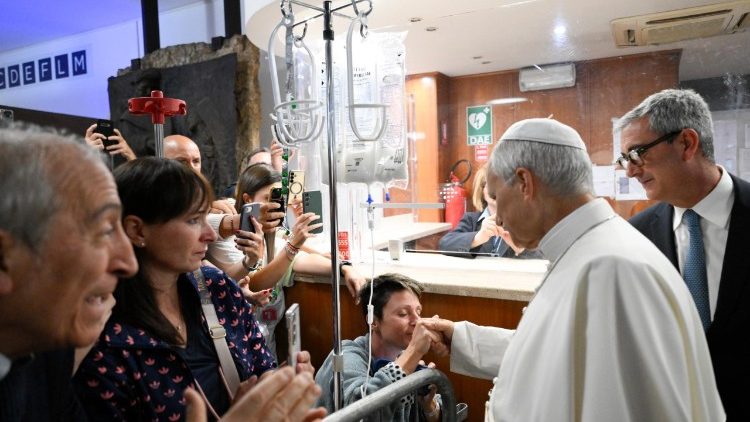
ZENIT
ZS
ZENIT
ZENIT Staff2 days ago

How many Catholics are there in the world? The latest figures will be released in 2026

(ZENIT News / Rome, 10.18.2026).- The number of Catholics worldwide is increasing, and the number of priests is growing again, albeit slightly. Meanwhile, the number of women religious and major seminarians continues to decrease, while the contribution of lay missionaries and catechists is increasing.

As every year, in view of World Mission Sunday, which this year celebrates its 100th anniversary on Sunday, October 18, 2026, on the theme “One in Christ, united in mission”, Fides News Agency offers some statistics chosen to give a panorama of the Church in the world in the last year.

The data in the volume relating to the total world population reveal different trends. Africa recorded the largest increase in the number of Catholics and was the only continent to register an increase in both women religious and major seminarians.

All the data in the Dossier, compiled by Luca Mainoldi, are taken from the latest edition of the «Church’s Book of Statistics», published this year. It offers an overview of the Catholic Church’s presence worldwide, its pastoral structures, and its educational, healthcare and charitable activities.

Population and Catholic population data refer to 30 June 2024, while the other data are as of 31 December of the same year. variations are indicated in brackets, increase (+) or decrease (-) compared to the previous data (in 2023).

The number of Catholics increases on every continent

To June 30, 2024 the world population was 7.995.573.000. Catholics in the world numbered 1.422.144.000 units with an overall increase of 16.690.000 Catholics compared to the previous year. The world percentage of Catholics remains unvaried, 17,8%.

The increase in the number of baptized was recorded on every continent. Increases were registered above all in Africa (+7.580.000), and in America (+6.992.000). Followed by Asia (+968.000), Europe (+911.000) and Oceania (+239.000).

Europe thus confirmed the increase already recorded in the previous survey.

More Catholics in Africa than in Europe

The Americas remain the continent with the largest Catholic population: 678,869,000, representing 64% of the continent’s population. Africa has 288,312,000 Catholics, surpassing Europe, where the total number is 287,240,000. Asia follows with 156,166,000 Catholics, while Oceania has 11,557,000.

The percentage of the Catholic population in all continents: 19.9% in Africa, 39.7% in Europe, 3.3% in Asia and 25.9% in Oceania.

Priests: a slight increase, with different trends across all continents

For the first time in five years, according to the dossier, the worldwide number of priests has increased, reaching 407,421, an increase of 425 compared to previous data.

The overall rise reflects increases in Africa (+1,676), Asia (+1,065) and the Americas (+199), that compensate decreases in Europe (-2,483) and Oceania (-32). The numbers in the Americas increased after recording a decrease in the previous year.

The number of diocesan priests increased to 279,238 (+496), while the number of religious priests decreased to 128,183 (-71). Despite the slight overall increase in the number of priests, the average number of Catholics per priest also increased, reaching 3,491, or 38 more faithful per priest compared to previous data. This ratio increased in the Americas, Europe and Oceania, while decreased in Africa and Asia.

The number of bishops reached 5,525, an increase of 95 units: 4,365 diocesan bishops and 1,160 religious. The number of permanent deacons also continued to grow, reaching 52,102 (+669), largely owing to increases in the Americas (+424) and Europe (+236).

Women religious and seminarians: global decrease continues

The number of women religious worldwide is 580,131, a decrease of 9,292 compared to previous year data. Africa was the only continent to record an increase (+2,190). Numbers decreased in Europe (-6,473), the Americas (-4,432), Asia (-320) and Oceania (-257).

The number of non-religious priests is 48,511 (-237). Numbers increased in Africa and Asia but declined on the other continents.

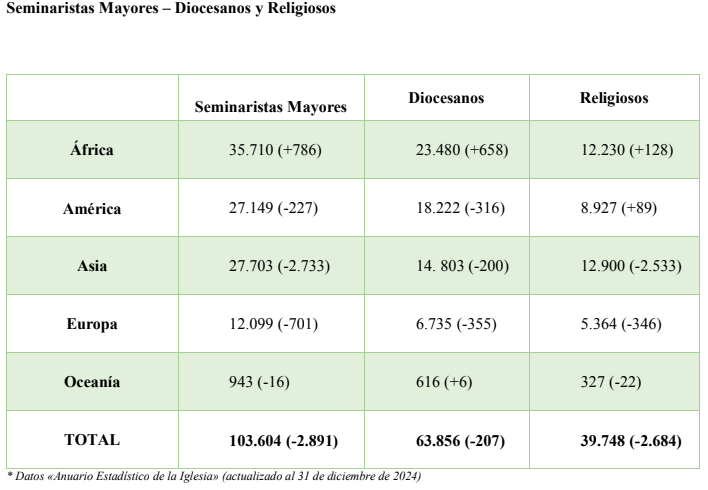
The number of major seminarians, both diocesan and religious, also decreased, falling from 106,495 in the previous data to 103,604, a decrease of 2,891. Africa was the only continent to record an increase (+786), bringing its total to 35,710 major seminarians.

The most significant decline was registered in Asia (-2,733), followed by Europe (-701), the Americas (-227) and Oceania (-16).

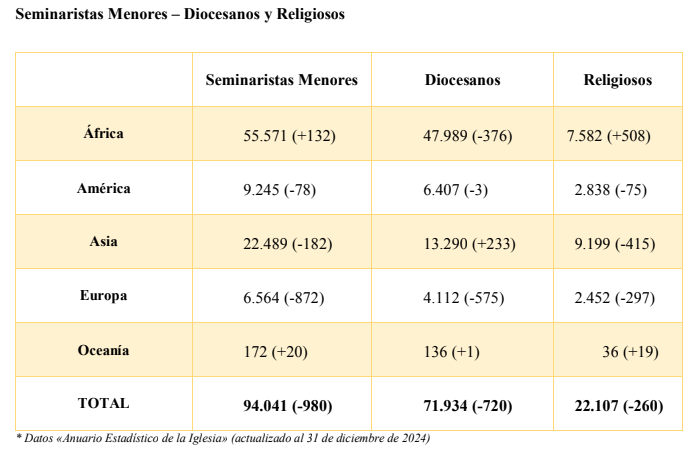
The number of minor seminarians fell to 94,041 (-980) while numbers increased in Africa (+132) and Oceania (+20), but decreased in Europe (-872), Asia (-182) and the Americas (-78).

Growing contribution of lay missionaries and catechists
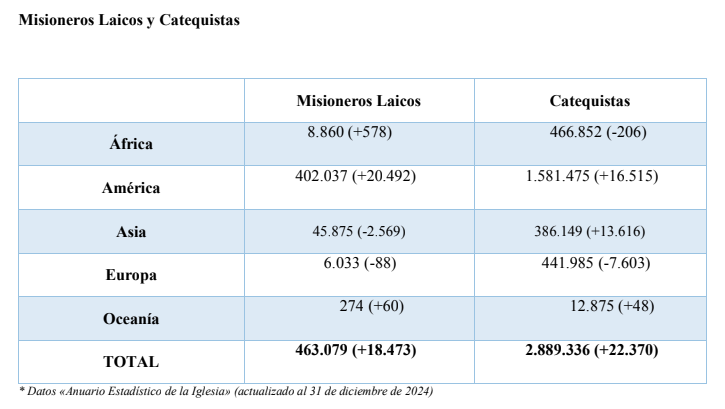
The dossier records an increase in the number of lay missionaries, which reached 463,079, 18,473 units compared to the previous year. An increase was concentrated primarily in the Americas (+20,492). Increases were also recorded in Africa and Oceania, while numbers decreased in Asia and Europe.

The number of catechists reached 2,889,336 (+22,370). The most significant increase was recorded in the Americas (+16,515) and Asia (+13,616), with a further increase in Oceania (+48).

Numbers decreased in Europe (-7,603) and, to a lesser extent, in Africa (-206).

There are 3,047 ecclesiastical circumscriptions worldwide, six more than in the previous survey. Mission stations number 111,602 in total: 4,187 have a resident priest, while 107,415 do not. Compared to the previous year, the number of stations with a resident priest increased (+987), while those without a resident priest decreased (-12,162).

The Church’s educational, healthcare and charitable network
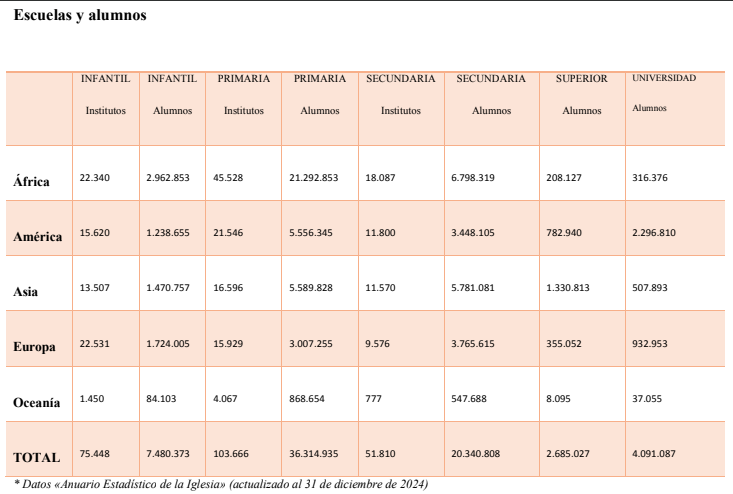
In the field of education, the Catholic Church runs 75.448 kindergartens with 7.480.373 pupils; 103.666 primary schools with 36.314.935 pupils; 51.810 secondary schools with 20.340.808 pupils. Furthermore, 2.685.027 pupils study in secondary schools and 4.091.087 in university institutes affiliated with the Catholic Church.

Compared to previous data, the number of kindergartens increased, although enrolment decreased. Both the number of primary schools and their enrolment increased, whereas secondary schools and student numbers both decreased. Africa has the largest number of pupils enrolled in Catholic primary schools, with 21,292,853 students.

Charity and healthcare centres run in the world by the Church are 101.110: 5.397 hospitals and 13.646 dispensaries, 468 Care Homes for people with Leprosy, 16.263 Homes for the elderly or the chronically ill or people with a disability, 8.138 orphanages, 10.352 creches; 10.624 marriage counselling centres, 3.194 social rehabilitation centers and 33.028 other kinds of institutes.

Africa has the largest number of hospitals and dispensaries, while Europe accounts for the majority of homes for the elderly, people with chronic illnesses and people with disabilities. Together, these institutes demonstrate how the Church’s pastoral structures are complemented by a daily presence in education, healthcare and social assistance.

The table regarding ecclesiastical circumscriptions entrusted to the care of the Dicastery for Evangelization shows that their total number is 1,130.

Thank you for reading our content. If you would like to receive ZENIT’s daily e-mail news, you can subscribe for free through this link.

The post How many Catholics are there in the world? The latest figures will be released in 2026 appeared first on ZENIT - English.
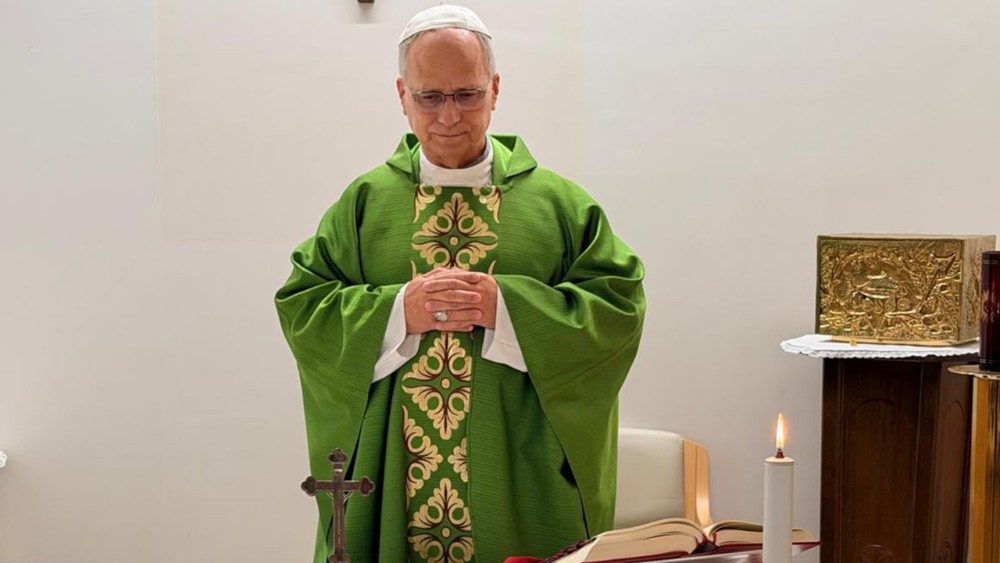
ZENIT
ZS
ZENIT
ZENIT Staff3 days ago

Leo XIV is discharged from the hospital, but will the Pope be able to visit Argentina, Uruguay, and Peru? The doctor who operated on him answers

(ZENIT News / Rome, 10.17.2026).- Pope Leo XIV could still undertake his planned visit to Uruguay, Argentina and Peru from November 6 to 17, according to the surgeon who operated on him for lung cancer, although the pontiff needs more time to complete his recovery. Professor Stefano Margaritora, head of thoracic surgery at Rome’s Gemelli Hospital, said there were currently no medical reasons to rule out the demanding journey following the Pope’s discharge from hospital.

The operation took place on October 13 and removed the lower lobe of the Pope’s right lung, where an adenocarcinoma had been found. By the time he left hospital, his clinical condition was satisfactory: blood tests were normal, his heart function was sound, and the remaining lung tissue was re-expanding according to the expected timetable. The surgery was completed without complications.

Margaritora estimated that Leo XIV would need approximately another ten days to achieve a full physical recovery. In his assessment, a journey involving long flights and extensive travel, scheduled roughly three weeks after the interview, remained medically feasible. The final decision, however, will depend on the Pope’s recovery as the departure date approaches.

The case has also highlighted how lung cancer can develop without obvious warning signs. The tumor was discovered by chance during routine abdominal imaging, which happened to include the lower portions of the lungs. The Pope had experienced no respiratory symptoms and had been feeling well.

For Margaritora, that circumstance underscores the importance of early detection, particularly among people at increased risk. While established screening programs exist for certain cancers, he argued that greater attention should also be paid to lung cancer, which may remain asymptomatic in its initial stages. The Pope’s experience illustrates how a medical examination undertaken for an unrelated reason can reveal a potentially serious condition before it produces noticeable symptoms.

The surgeon was careful not to portray the procedure as an extraordinary technical feat. Removing an affected lung lobe is a standard approach for tumors of this size, he explained. What made the operation exceptional was not its surgical complexity but the  the patient.

As a physician, Margaritora said, he had to concentrate on performing an operation he had carried out many times before. Yet he was acutely aware that he was treating a Pope whose health matters deeply to Catholics across the world. He described the experience as an intense personal emotion that was difficult to put into words.

He recalled greeting Leo XIV in the operating room alongside the surgeons, anesthesiologists and other members of the team, telling him they were the hospital’s “dream team.” The Pope responded with a smile before anesthesia began.

Margaritora also praised the pontiff’s discipline during his postoperative recovery. Leo followed dietary instructions and respiratory physiotherapy, got back on his feet promptly and often did more than the medical team asked of him. On the second day after surgery, the staff even found him arranging chairs in the hospital chapel, prompting them to remind him that they could take care of the task themselves.

The surgeon described him as an ideal patient: calm, cheerful and remarkably cooperative, despite the discomfort that inevitably accompanies such an intervention.

He concluded by emphasizing that the outcome depended on much more than the work of the lead surgeon. Nurses, operating-room staff, laboratory and radiology technicians, physiotherapists and other healthcare professionals all played essential roles in the Pope’s treatment. Margaritora also thanked the leadership of Gemelli Hospital and the Catholic University of the Sacred Heart for their support.

For now, the medical assessment offers a reason for cautious optimism about Leo XIV’s November itinerary. His recovery is progressing as expected, but the immediate priority remains allowing him to regain his strength before undertaking a journey that will place significant physical demands on him.

Thank you for reading our content. If you would like to receive ZENIT’s daily e-mail news, you can subscribe for free through this link.

The post Leo XIV is discharged from the hospital, but will the Pope be able to visit Argentina, Uruguay, and Peru? The doctor who operated on him answers appeared first on ZENIT - English.
ZENIT
ZS
ZENIT
ZENIT Staff3 days ago

Pope Leo XIV Leaves the Hospital: What Kind of Patient Was He? The Doctor Reveals All. Here’s How the Pope’s Discharge Went After a 4-Day Hospital Stay

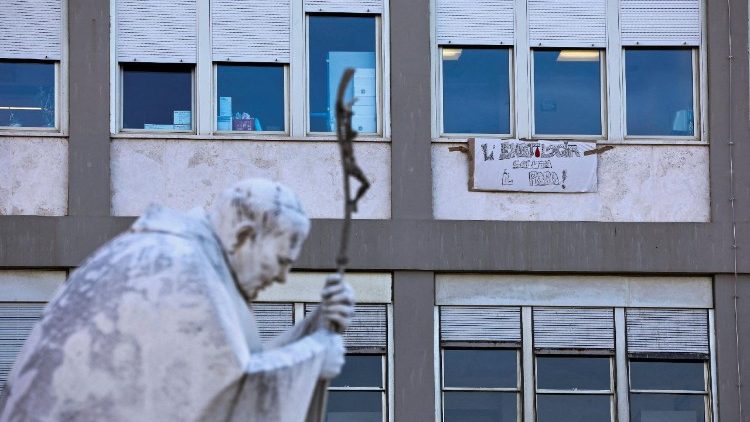
(ZENIT News / Rome, 10.17.2026).- Pope Leo XIV returned to the Vatican on Saturday, October 17, after four days at Rome’s Gemelli Hospital following surgery for lung cancer. His discharge came with encouraging medical assessments and a cautiously optimistic outlook from the surgeon who operated on him, who believes there are no clinical reasons at present to rule out the Pope’s planned November visit to Uruguay, Argentina and Peru. Yet the day’s most moving moment came outside the hospital, when Leo reunited with a 13-year-old Ukrainian girl whose own recovery from cancer had been strengthened by an encounter with him months earlier.

The Pope left the Gemelli Hospital at approximately 3:30 p.m., greeted by applause from patients, hospital visitors, faithful and members of the media who had gathered to wish him well. Before departing, he thanked the medical staff who had cared for him and exchanged greetings with Professor Stefano Margaritora, the thoracic surgeon who led his operation. Asked about his condition by reporters, Leo replied in English: “Much better, thank you.”

His discharge followed morning blood tests, a chest X-ray and a clinical assessment by his medical team, which deemed him fit to leave hospital. The examinations confirmed that his postoperative recovery was proceeding normally. On Sunday, October 18, he was scheduled to recite the Angelus from the window of the papal apartments, marking his return to the Vatican’s familiar setting while continuing his convalescence.

Leo underwent surgery on October 13 after doctors discovered a suspicious spot at the base of his right lung. The operation, lasting approximately 90 minutes, confirmed an adenocarcinoma, a malignant tumor that required removal of the lower lobe of the right lung. The procedure was performed using video-assisted surgery, a minimally invasive technique that allows surgeons to operate through small incisions with the aid of a camera.

In an interview following the Pope’s discharge, Margaritora described his patient’s condition as satisfactory. Blood tests were normal, cardiac function was sound, and the remaining lung tissue was expanding as expected. The surgeon reported that the operation had proceeded without complications and that the Pope had followed the prescribed diet and respiratory physiotherapy with exceptional commitment.

Margaritora nevertheless emphasized that a full physical recovery takes time. In his assessment, approximately two weeks are generally needed to recover fully from this type of operation. With the Pope already several days into that process, the surgeon estimated that another ten days could be sufficient for a complete recovery.

Asked about Leo’s planned November 6–17 journey to South America, Margaritora said there were no clinical reasons to exclude the trip. His assessment provides reassurance, but it is not a definitive announcement that the itinerary will proceed unchanged. The demands of long-distance air travel and a busy pastoral schedule will have to be considered alongside the Pope’s continued recovery.

The surgeon also explained how the cancer was discovered. The suspicious spot was identified incidentally during routine imaging of the abdomen, which also revealed the lower portions of the lungs. Leo had not experienced respiratory symptoms. Margaritora used the case to stress the importance of prevention and early detection, particularly among people at elevated risk, noting that lung cancer can remain asymptomatic in its initial stages. His comments support greater attention to appropriate screening, although the tests recommended for individuals depend on their risk factors and medical circumstances.

For Margaritora, the operation carried an unusual emotional weight despite being medically routine. He described the challenge of treating a Pope as a patient while remaining focused on a procedure he had performed many times. As Leo entered the operating room, the surgeon introduced the assembled team as their “dream team,” prompting a smile from the pontiff before anesthesia began.

Margaritora also praised Leo’s attitude throughout his hospitalization, describing him as calm, cooperative and unusually motivated during rehabilitation. The Pope had resumed eating normally and celebrating Mass soon after surgery, and he was eager to regain his independence. The surgeon recalled finding him arranging chairs in the hospital chapel, even though members of the team were ready to help.

The physician used the opportunity to recognize the wider hospital workforce, including nurses, laboratory and radiology technicians, physiotherapists and other professionals whose contributions are essential to patient recovery but often receive less public attention.

The gratitude was echoed by Elena Beccalli, rector of the Catholic University of the Sacred Heart, which is associated with Gemelli Hospital. She described caring for the Pope as both a responsibility and a privilege and expressed the university community’s wishes for his full recovery.

Italian President Sergio Mattarella also sent Leo a message wishing him a peaceful convalescence. He noted the widespread expressions of affection and concern from ordinary people, political leaders and Catholic communities around the world, and extended his wishes for a swift and complete recovery on behalf of Italy.

Among those waiting outside the hospital was Varvara, a 13-year-old Ukrainian girl who had met Leo in St. Peter’s Square on December 31, when she was preparing to undergo cancer treatment. The Pope had embraced and encouraged her at the time. Now, after medical examinations confirmed that her cancer had been overcome, she had traveled with her parents from Castellamonte, near Turin, hoping to pray for the pontiff outside the hospital:

In fact, she was able to greet him personally as he left. With the help of a Ukrainian priest acting as interpreter, Varvara told Leo that their earlier embrace had given her strength during treatment. She asked for his blessing and gave him a framed photograph of their December encounter, together with a small felt doll she had made by hand in his likeness.

The gift carried a deeply personal meaning. During her family’s flight from the war in Ukraine, Varvara had relied on a stuffed toy named Basik as a companion through displacement, unfamiliar surroundings and hospital treatment. She wanted the Pope to have a similar companion to accompany him on his own road to recovery.

Varvara and her family had found refuge in Italy after fleeing the violence in Ukraine. With support from the humanitarian association La Memoria Viva, she was brought to Italy for treatment at the Regina Margherita Children’s Hospital in Turin. Her story also illustrates the particular vulnerability of families displaced by war, whose access to medical care can be disrupted by attacks, damaged infrastructure and unreliable electricity supplies.

The Pope spent the night of Saturday, October 17, at the Vatican.

Thank you for reading our content. If you would like to receive ZENIT’s daily e-mail news, you can subscribe for free through this link.

The post Pope Leo XIV Leaves the Hospital: What Kind of Patient Was He? The Doctor Reveals All. Here’s How the Pope’s Discharge Went After a 4-Day Hospital Stay appeared first on ZENIT - English.
ZENIT
JM
ZENIT
Jorge Enrique Mújica4 days ago

3 days after his surgery, photos of the Pope were published, and that day saw the highest number of visitors and phone calls

(ZENIT News / Rome, 10.16.2026).- Three days after undergoing surgery for lung cancer, Pope Leo XIV offered a reassuring image of his recovery on Friday, October 16, appearing on his feet in full liturgical vestments during Mass at Rome’s Gemelli Hospital. Yet the day’s most consequential development came beyond the hospital chapel: the Pope spoke by phone with Russian President Vladimir Putin to press for a humanitarian truce in the Ukrainian city of Oleshky, demonstrating that his medical recovery has not entirely interrupted his diplomatic efforts.

Photographs released by the Holy See showed the 71-year-old Pope celebrating Mass in a room prepared on the hospital’s tenth floor. Medical and nursing staff who were off duty, along with members of the Vatican Gendarmerie, attended the celebration. In his homily, Leo thanked doctors, nurses and support staff for their daily care of the sick and vulnerable, expressing particular gratitude for the attention they had shown him.

The images followed another encouraging medical update. Blood tests and a chest X-ray conducted on Friday morning confirmed continued improvement in his general condition. Respiratory physiotherapy continued, while his postoperative recovery allowed him to carry out normal daily activities independently. Although these signs are encouraging, the definitive assessment of his cancer still depends on the analysis of the removed lung tissue.

The Vatican also published the names of journalists authorized to accompany the Pope on his planned November 6–17 apostolic journey to Uruguay, Argentina and Peru. The announcement provided a further indication that preparations were continuing, although it did not constitute definitive confirmation that the trip would proceed. Following the removal of the lower lobe of his right lung on October 13, the timing of any international journey will necessarily depend on his medical progress and the recommendations of his doctors.

Friday also brought visits from two senior Church figures. Cardinal Luis Antonio Tagle, pro-prefect of the Dicastery for Evangelization adn and the new dean of the College of Cardinals, and Cardinal Baldassare Reina, the vicar general for the Diocese of Rome, visited Leo separately, according to sources at the Vatican Press Office.

The most significant diplomatic initiative, however, concerned the war in Ukraine. In a telephone conversation confirmed by both the Holy See and the Kremlin, Leo expressed deep concern about the humanitarian emergency in Oleshky, in Ukraine’s Kherson region, and called for a truce that would allow food and medical supplies to reach civilians and enable those wishing to leave to do so safely and voluntarily.

Vatican Secretary of State Cardinal Pietro Parolin subsequently confirmed that the Pope had initiated the call himself. According to Parolin, approximately 2,000 civilians in the city needed humanitarian corridors to receive assistance or escape the conflict. The Pope sought a suspension of hostilities sufficient to permit the delivery of essential supplies and the evacuation of those who wished to leave.

The Kremlin’s account described the conversation as constructive and respectful. It said Putin had offered his wishes for the Pope’s recovery and discussed cooperation between Russia and the Holy See on spiritual and moral values, the protection of Christians and Christian holy sites, and dialogue between the Russian Orthodox and Catholic Churches.

Regarding Ukraine, the Russian statement presented Moscow’s interpretation of responsibility for the humanitarian crisis, while also reporting Putin’s support for Vatican efforts to establish conditions for civilian safety and the delivery of essential goods. The two sides agreed to cooperate toward that objective, according to the Kremlin.

The different emphases in the two official accounts illustrate the diplomatic complexity. The Vatican placed the immediate humanitarian emergency and the Pope’s appeal for a truce at the center of its statement; Moscow stressed its own interpretation of the conflict.

Parolin expressed hope that Putin would respond positively to the pontiff’s request. Leo’s initiative is notable because it places direct humanitarian advocacy at the center of his engagement with the Russian president, even while the Pope himself remains hospitalized. The Holy See has long sought to maintain channels of communication with parties to the war, arguing that dialogue can serve practical humanitarian purposes even when a comprehensive political settlement remains distant.

A more personal telephone conversation offered a quieter conclusion to the day. Leo spoke with his older brother, Louis Prevost, 74, who is receiving treatment for multiple myeloma in Tampa, Florida. Louis later recounted that the Pope had asked whether he was afraid. He jokingly suggested that Leo should transfer to his hospital because of the quality of its care; the pontiff replied that he, too, was receiving excellent treatment in Rome.

Louis spoke of the importance of prayer in facing illness, saying that he firmly believed they were in God’s hands. The exchange brought together two brothers confronting serious health challenges from different sides of the Atlantic.

According to Louis, the Pope had told him that his doctors believed the cancer might have been completely removed if recovery continued favorably. That remains a provisional assessment rather than a definitive medical conclusion: the final results will depend on examination of the tissue removed during surgery, with further findings expected in a little over a week.

Thank you for reading our content. If you would like to receive ZENIT’s daily e-mail news, you can subscribe for free through this link.

The post 3 days after his surgery, photos of the Pope were published, and that day saw the highest number of visitors and phone calls appeared first on ZENIT - English.
ZENIT
ZS
ZENIT
ZENIT Staff5 days ago

Names denied and properties demolished for Turkey’s Christians

(ZENIT News – Asia News / Istambul, 10.15.2026).- Homes expropriated, properties and buildings demolished before a court ruling on the legality of the measure, and families being denied recognition of their ancestral family name linked to their Assyrian-Chaldean ethnicity. The situation of Christians in Turkey has recently seen worrying incidents of religiously motivated abuse and persecution, often perpetrated with the endorsement of local (and central authorities). The most recent incidents date back to last week in the province of Şırnak, in the south-east of the country, and also involve the mayor of Azekh (better known as Idil, the capital of the district of the same name).

Demolished properties

Four of the Christian citizens affected by the measures have already taken legal action to challenge them. However, their buildings were demolished before the court could rule on the objections raised. Measures were also taken against a guesthouse belonging to the Syriac Orthodox Church of the Virgin Mary. The families involved regard these actions as an attempt to “intimidate” the Assyrian-Chaldean community and to weaken its ties with its homeland, as some of the demolished properties belonged to families who had emigrated to Europe.

Lawyer Melke Karagöl, whose family has also been affected by the demolition orders, has criticised the municipal administration’s actions. The demolished buildings, he explains, belonged to “four residents” aged between 20 and 25. “Three days before the demolition, we lodged an appeal with the court. The houses,” the lawyer explained to the MA news agency, “were demolished even before a decision had been made.” The legal proceedings are still ongoing, but the local council has created a fait accompli without waiting for the judgement.

In addition to the demolition orders, the council has also sealed off residential and commercial buildings owned by Christians and imposed administrative fines. Karagöl is particularly critical of the measures taken against the Orthodox Church’s guesthouse, the demolition of which was approved by the council, as in the other cases. For the lawyer, this is a “deliberate policy” aimed at targeting the Assyrian community. “They want,” he accuses, “the Assyrians living in Europe to lose all ties with this region completely. That is their objective.”

AKP mayor in the firing line

The Christians’ anger is directed squarely at Idil’s mayor, Türkan Kayir, the very person who is issuing and signing the demolition orders for homes and commercial premises belonging to members of the Assyrian community.

Kayir, who also belongs to the Assyrian-Chaldean minority and was elected mayor in 2024 as a candidate for the pro-democratic DEM movement (the Party for Equality and Democracy of the Peoples), took office amid high expectations. The general view, in fact, was that she would serve the Assyrian, Kurdish [who form the majority in the area] and other ethnic groups in the town impartially. However, the Assyrian Federation of Idil claims that Ekrem Simsek, a member of the Azech town council, has begun to influence her official decisions. The Federation has accused Simsek of exerting undue influence over the mayor, exploiting municipal authority to pursue personal interests and carry out acts of retaliation against Christians.

Furthermore, Mayor Kayir was expelled from the Christian organisations of which she was a member and from the DEM party, remaining independent for some time before joining President Recep Tayyip Erdogan’s ruling AKP (Justice and Development Party) on 14 August. The decision to join the AKP, moreover, is a move made by numerous mayors, including those of major cities in Turkey, as was recently the case with the mayor of Izmir, a city considered a stronghold of the opposition. Amidst arrests and defections, the AKP has managed to win over dozens (if not hundreds) of towns and municipalities that had previously voted for opposition candidates or Erdogan’s rivals at the polls, as in the case of Istanbul’s mayor, Ekrem Imamoglu, who was arrested in March 2025 on (spurious) charges of corruption.

The Assyrian International Federation of Idil (Azech) has described the change in political allegiance as “extremely significant” in relation to the demolitions, arguing that the mayor believes his new political affiliation would guarantee him protection for his actions. Meanwhile, the issue has also reached Parliament: DEM MPs Newroz Uysal Aslan, Mehmet Zeki Irmez, Aysegül Dogan and George Aslan have submitted written questions to the relevant ministries, seeking clarification on the legal basis for measures, sanctions and demolition orders concerning Christian properties. They also raised objections regarding the actions of the AKP-led municipal administration, which proceeded with the demolition of buildings even before the judicial review of the measures in question had been concluded.

The War of Surnames

Beyond the immediate dispute over property, the Assyrian Federation has framed the demolitions within a context of violence, killings, unsolved murders and forced displacement that have long afflicted the Assyrian Christian community in the area. Furthermore, emigration and population displacement have contributed to the depopulation of the community of Azech, formerly known as Beth Zabday, situated in the south-eastern province of Şırnak; the population is now predominantly Kurdish, whereas in the past it was predominantly Assyrian-Chaldean.

Also in south-eastern Turkey, in a town a few dozen kilometres from Idil, a case has emerged that is fuelling concerns and fears about the future of Christians: the Second Civil Court of First Instance in Midyat has ruled that members of an Assyrian family from Tur Abdin cannot officially change their Turkish surname to their original one. The family is from the village of Anhel (Yemisli), in the Tur Abdin region. During a second hearing, held last month, the judges granted Sikare Erçin’s request to change her name to “Karin”, but rejected the applications to change the surnames of Gabriela Erçin, Manuela Erçin, Mariya Erçin and Sikare Erçin from “Erçin” to “Hanne”.

The Turkish law on surnames currently in force stipulates that every citizen must adopt a surname of “Turkish ethnicity”. However, the family’s lawyer argued that “Hanne” is not a surname of foreign ethnic origin or nationality, but is deeply rooted in the ancestry, memory and tradition of the Assyrian family. During the court proceedings, the family’s lawyers pointed out that the rulings of the European Court of Human Rights and the Turkish Constitutional Court, as well as established legal practice, should form the main basis for the decision. In the past, similar legal battles concerning Assyrian identity and surnames have already encountered similar obstacles and opposition from the judiciary.

Thank you for reading our content. If you would like to receive ZENIT’s daily e-mail news, you can subscribe for free through this link.

The post Names denied and properties demolished for Turkey’s Christians appeared first on ZENIT - English.
ZENIT
JM
ZENIT
Jorge Enrique Mújica5 days ago

Will the Pope Go to South America? Leo XIV Calls the Vatican’s No. 3 Official for an In-Person Meeting at the Hospital. Here’s the Latest on the Pope’s Health

(ZENIT News / Rome, 10.15.2026).- Pope Leo XIV has begun walking independently, resumed his normal diet and returned to some official duties from his hospital room following surgery for lung cancer, the Vatican reported on Thursday, October 15. While doctors describe his postoperative recovery as proceeding according to plan, uncertainty remains over whether the 71-year-old pontiff will be able to undertake his scheduled visit to Peru, Uruguay and Argentina from November 6 to 17.

The latest medical updates offer encouraging signs just two days after the Pope underwent surgery at Rome’s Gemelli Hospital. His medical team, led by his personal physician, Dr. Luigi Carbone, and thoracic surgery chief Professor Stefano Margaritora, reported that postoperative blood tests and a chest X-ray showed results within the expected range for the procedure. The imaging also indicated good recovery of the operated lung.

Leo received respiratory physiotherapy and completed mobility exercises, beginning to walk around his hospital room and carrying out daily activities independently. He has also returned to his usual diet, eating both breakfast and lunch. According to his doctors, his recovery is following the expected course.

The Vatican had already announced on Thursday morning that the Pope had spent a good night in hospital, got up and eaten breakfast. A further indication of his improving condition came shortly after 4 p.m., when the Holy See Press Office confirmed that he had resumed some of his responsibilities.

Leo met with Archbishop Paolo Rudelli, the Substitute for General Affairs of the Secretariat of State, who oversees much of the Vatican’s day-to-day administrative work (a sort of interior minister, also known as the Vatican’s “Number 3”). The meeting demonstrated that the Pope was beginning to reconnect with the demands of his office, even while remaining under medical supervision.

The pontiff also celebrated Mass for the second consecutive day with other priests in a chapel established near his room on the hospital’s tenth floor, according to Vatican spokesman Matteo Bruni. The celebration offered a glimpse of how Leo has maintained his spiritual routine during his hospitalization.

The encouraging recovery reports follow a more serious development than initially anticipated. On Tuesday, October 13, Leo underwent surgery to remove the lower lobe of his right lung after doctors identified a suspicious nodule. The operation confirmed that he had adenocarcinoma, the most common type of lung cancer.

Although the affected lobe has been removed, important medical questions remain unanswered. Doctors are awaiting further tests to establish the tumor’s precise molecular characteristics, determine whether the disease has spread beyond the removed tissue and assess whether additional treatment will be necessary. These findings will be crucial in determining the Pope’s longer-term prognosis and recovery needs.

The distinction between a satisfactory immediate recovery and a complete assessment of the disease is important. Normal postoperative results are encouraging, but they do not, by themselves, establish whether further treatment will be required or how quickly Leo will regain his full strength.

That uncertainty has placed the Pope’s upcoming South American journey under scrutiny. Scheduled for November 6–17, the trip is expected to include Peru, Uruguay and Argentina. Leo had appealed for prayers for the planned pastoral visit to Peru on Sunday, shortly before undergoing surgery.

However, the removal of an entire lung lobe, rather than simply the suspicious nodule, has raised questions about whether the original timetable remains realistic. In Peru, President Keiko Fujimori has suggested that the visit could be postponed, while much of the Argentine press has questioned whether the Pope could safely undertake such an extensive international journey so soon after surgery.

A source at the Apostolic Nunciature in Buenos Aires told ZENIT that the circumstances had changed significantly: the trip had initially appeared feasible when the planned intervention involved removing only the nodule, but the removal of a lung lobe altered the expected recovery period.

No definitive change to the itinerary was announced in Thursday’s updates. For now, the decision will depend on the medical evidence, the Pope’s progress and the demands of the proposed journey.

Leo’s return to limited duties is a positive development for the Vatican, but it should not be confused with a declaration that the health concerns have been resolved. His immediate recovery appears to be progressing well; the extent of any further treatment and the timing of his return to a full schedule remain open questions.

Thank you for reading our content. If you would like to receive ZENIT’s daily e-mail news, you can subscribe for free through this link.

The post Will the Pope Go to South America? Leo XIV Calls the Vatican’s No. 3 Official for an In-Person Meeting at the Hospital. Here’s the Latest on the Pope’s Health appeared first on ZENIT - English.
ZENIT
ZS
ZENIT
ZENIT Staff6 days ago

Seoul 2027: App for World Youth Day Launched—A Great Resource for Pilgrims

(ZENIT News / Seoul, 10.14.2026).- With less than a year to go before World Youth Day 2027, organizers in Seoul have launched an official mobile application designed to help international pilgrims prepare not only for the journey to South Korea, but also for a deeper encounter with the country’s Catholic heritage. The gathering, scheduled for August 3–8, 2027, will bring young Catholics to the South Korean capital for an international celebration of faith, making practical preparation and spiritual discovery two central goals of the new digital platform.

Developed by the local organizing committee led by Archbishop Peter Chung Soon-taick, the application is provisionally named “WYD 2027” and is available through Apple’s App Store and Google Play in Korean and English. Versions in Spanish, French, Portuguese and Italian are planned. Organizers have also announced a worldwide naming competition to select its definitive title.

The application combines travel guidance, spiritual resources, maps and information about the event. Most of its content can be accessed without registration, allowing prospective pilgrims to begin preparing well before departure. Its homepage features a countdown to World Youth Day, alongside information about the official prayer, the biblical theme, key schedules and pilgrimage destinations.

Yet the platform’s most distinctive feature may be its emphasis on the history of Korean Catholicism, particularly the witness of the country’s martyrs. A dedicated pilgrimage program invites registered users to visit three museums associated with the faith’s historical presence in Seoul: the Archdiocese of Seoul History Museum at Myeongdong Cathedral, the Seosomun Shrine History Museum and the Korean Catholic Martyrs Museum at Jeoldusan Martyrs’ Shrine.

Pilgrims who verify their visits to all three sites through the application can receive a certificate of completion. The initiative offers more than a sightseeing itinerary: it encourages young visitors to explore the sacrifices of Korean Catholics whose fidelity to their faith came at a high personal cost.

Catholicism took root in Korea in an unusual way. Unlike many countries where missionaries first established the Church, Korean Catholicism initially developed through the efforts of Korean scholars who encountered Catholic writings and sought to understand and practice the faith. The community subsequently endured severe persecution, and numerous Catholics were executed for their religious convictions. The sites included in the new application provide an opportunity to encounter this history firsthand, connecting the international gathering with the experiences of local believers across generations.

The digital guide also includes information on Seoul’s Catholic pilgrimage routes, prayers for visits to sacred places and a museum pilgrimage program. Its map, built around Google Maps, currently identifies 24 locations, primarily shrines, museums and event venues, helping visitors navigate the city and plan their movements.

Practical assistance is equally extensive. The application offers advice on preparing travel kits, spiritual readiness, accommodation and pilgrimage packages, as well as basic Korean expressions for greetings, asking directions and participating in church life and Mass. Pronunciation guides accompany the Korean phrases, making them more accessible to visitors unfamiliar with the language.

The organizers have also addressed the realities of traveling in South Korea during July and August. Guidance covers heat, humidity, ultraviolet exposure, sudden rainfall, indoor air conditioning and typhoons. Additional information explains electrical outlets and voltage, packing, public behavior, waste disposal, pedestrian crossings, smoking areas, lost property and noise regulations. Emergency alerts and information about the government’s multilingual disaster notification application are included as well.

Further sections introduce the Catholic Church in Korea, local culture, public transportation and emergency procedures. Organizers say the platform will continue to receive updates before and during the gathering, while additional services connected to the pilgrim card are being developed.

Seoul 2027 will be only the second World Youth Day held in Asia, following Manila’s hosting of the event in 1995. That distinction gives the Korean gathering particular significance for a continent where Catholic communities differ widely in size, history and social circumstances.

The new application reflects an effort to make the encounter accessible from the earliest stages of planning, while ensuring that the pilgrimage extends beyond the main celebrations. For young Catholics arriving from around the world, the experience will involve discovering a different culture, sharing their faith with peers and learning about a local Church whose history includes extraordinary perseverance under persecution.

Thank you for reading our content. If you would like to receive ZENIT’s daily e-mail news, you can subscribe for free through this link.

The post Seoul 2027: App for World Youth Day Launched—A Great Resource for Pilgrims appeared first on ZENIT - English.

ZENIT
JM
ZENIT
Jorge Enrique Mújica6 days ago

He walks, eats normally, celebrates Mass, and does physical therapy: what you need to know after Pope Leo XIV’s surgery

(ZENIT News / Rome, 10.14.2026).- Pope Leo XIV spent a stable first day recovering at Rome’s Gemelli Hospital after surgeons removed the lower lobe of his right lung to treat an adenocarcinoma, a common form of lung cancer. Medical reports issued on Wednesday, October 14, described a recovery proceeding as expected, with normal postoperative test results, respiratory physiotherapy and the resumption of walking and eating. Yet the crucial question remains unanswered: whether the cancer was confined to the removed tissue or had spread elsewhere.

The 71-year-old pontiff underwent surgery on Tuesday after preliminary investigations identified a localized lung nodule. According to the Vatican, the operation was successful and there were no complications. His doctors, Luigi Carbone and Stefano Margaritora, reported that blood tests and a chest X-ray showed results within the expected range for the procedure. Leo began walking around his hospital room, resumed his regular diet and, later that afternoon, concelebrated Mass with his secretaries in a room specially prepared on the hospital’s tenth floor.

The encouraging signs have prompted cautious optimism, but they do not yet provide a complete picture of his prognosis. The Vatican has confirmed that the cancerous tissue was removed, while the results needed to establish whether the disease had spread have not been made public. The medical team is expected to use those findings to determine whether further treatment is necessary. Chemotherapy has not been announced as part of the Pope’s current treatment plan.

Before the operation, Leo underwent a series of diagnostic procedures, including a robotic bronchoscopy with biopsy, a contrast-enhanced chest CT scan and a positron emission tomography scan, commonly known as a PET scan. These tests help doctors examine the tumor and assess whether cancer may have spread beyond its original location. Reports also indicate that lymph nodes were sampled for analysis, although the results remain undisclosed.

Adenocarcinoma is the most common type of lung cancer, but the diagnosis alone does not determine the outlook. Specialists consulted in reports on the Pope’s condition stressed that the stage of the disease, the involvement of lymph nodes and any evidence of spread will be decisive in determining the next steps. If the cancer is localized, surgery may be sufficient; if it has spread, treatment could involve chemotherapy, immunotherapy or targeted medication, depending on the findings.

The immediate recovery has been positive enough for the Vatican to maintain a relatively short initial hospital timetable. Vatican spokesman Matteo Bruni said the expected postoperative period was approximately one week. That estimate, however, should not be confused with a definitive assessment of the Pope’s readiness for an extensive international trip.

Leo is scheduled to visit Uruguay, Argentina and Peru from November 6 to 17. The journey would cover more than 31,000 kilometers, involve around a dozen flights and include two helicopter transfers, as well as significant changes in altitude in Peru. The Vatican has not announced any changes to the itinerary, and Bruni confirmed that the Pope wishes and intends to travel. But medical recovery, further treatment and the demands of the schedule will determine whether that intention can be fulfilled.

Peruvian President Keiko Fujimori expressed hope that the visit would proceed while acknowledging that the Pope’s health could require adjustments. Millions of Peruvians are praying for his recovery, she said. The country holds particular significance for Leo, who spent approximately two decades as a missionary there and holds Peruvian citizenship. Any decision about the trip, however, will ultimately have to place his health ahead of diplomatic expectations or public enthusiasm.

There is also a personal dimension to the diagnosis. Leo’s older brother, Louis Prevost, is himself undergoing experimental treatment for a tumor in Tampa, Florida, while the Pope’s mother died of cancer in 1990. Speaking to American television, Louis said he had received reassuring information that the operation had gone well and that his brother was awake, comfortable and in good hands. He described the discovery of the lung nodule as a shock, particularly given his own illness, but said the family remained hopeful after learning that doctors believed the tumor had been detected in time.

Beyond the medical details, the episode marks a notable departure from the Vatican’s traditionally guarded approach to papal health. Leo announced the discovery of the lung nodule himself after the Angelus on Sunday 11, before undergoing surgery. Subsequent medical communications provided a clearer account of the diagnosis and treatment. Church historian Giovanni Maria Vian, former editor of the Vatican newspaper L’Osservatore Romano, described the announcement as a striking break with established practice.

Historically, the health of popes has often been disclosed sparingly, sometimes leaving the public unaware of serious illnesses until very late. Leo’s decision to speak openly about his condition, followed by regular medical updates, has offered a different model of communication—one that gives the faithful and the wider public more information while the outcome remains uncertain.

Thank you for reading our content. If you would like to receive ZENIT’s daily e-mail news, you can subscribe for free through this link.

The post He walks, eats normally, celebrates Mass, and does physical therapy: what you need to know after Pope Leo XIV’s surgery appeared first on ZENIT - English.

ZENIT
RT
ZENIT
Rafael Manuel Tovar7 days ago

AI Used An Amputee Priest to Scam People

(ZENIT News / Florianopolis, 10.13.2026).- Cybercriminals orchestrated a scam in Brazil by generating an AI-created video featuring a priest with both legs amputated, soliciting urgent donations to purchase prosthetics.

The fake «Father Mateus», and other fictional characters in the recording, exhibited video synchronization issues. Reginaldo Jesus Flor, 80, noticed the errors and asked his son, Felipe Zangari, a journalist and theologian, for help. They identified lip-syncing flaws and simulated a «Pix» transfer using the link provided in the campaign, thereby uncovering the suspected scheme.

The video was promoted by the Facebook page «Short Walk,» created on August 18, 2026. It also features 72-year-old «Doña Lourdes» and 14-year-old altar server Enzlo, who make statements supporting the story. Comments noted that there was only a window of a few months to purchase the prosthetics before the risk of permanent muscle atrophy set in in the thighs.

«The way the lips moved wasn’t normal,» explained Zangari. The video and social media posts targeted Catholics. Donations were directed to a corporate account in Florianópolis under the name Gestão Solidar Digital LTDA. Investigators discovered that the activity was linked to the ID of a retiree from Goiás, who was unaware that her personal data had been used.

The practice of using artificial intelligence to fabricate identities — employing images and voice manipulation to recount false events and portray non-existent people, in order to elicit empathy and solicit donations — is on the rise. It affects the Church and many people of good will.

The post AI Used An Amputee Priest to Scam People appeared first on ZENIT - English.
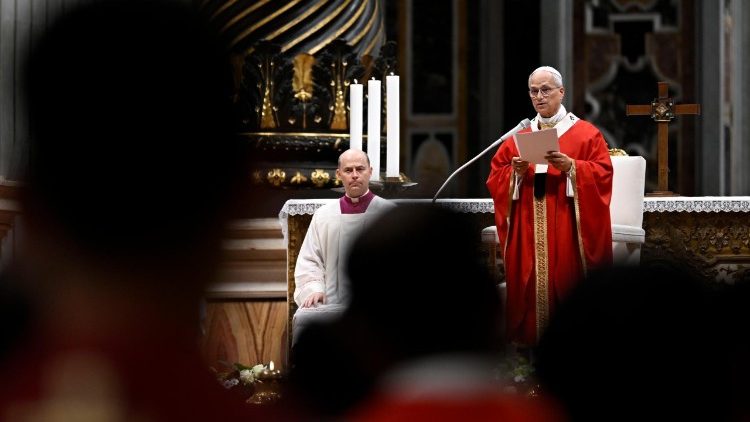
ZENIT
ZS
ZENIT
ZENIT Staff7 days ago

Pope Leo XIV appears in a scene from Chris Pratt’s new movie about St. Peter

(ZENIT News / Vatican City, 10.13.2026).- A hidden burial chamber beneath St. Peter’s Basilica, archaeological discoveries spanning decades, and an extraordinary on-camera appearance by Pope Leo XIV are at the heart of a new documentary exploring the origins of one of Christianity’s most important holy sites. Titled Pétros ení: Discovering the Origins, the film will receive a special advance screening on October 16 at the Rome Film Festival, ahead of the 400th anniversary of the dedication of the present-day Vatican Basilica.

Directed by Spanish filmmaker Paula Ortiz and written by Andrea Tornielli, editorial director of Vatican Media, the documentary brings together historical research, archaeology and Christian faith. American actor Chris Pratt guides viewers through the story, taking them into the Vatican Necropolis beneath the basilica, where the tomb traditionally identified as that of St. Peter remains concealed from ordinary visitors. The production is a collaboration between AF Films, Vatican Media and the Fabric of St. Peter, the institution responsible for the basilica’s upkeep.

The film’s most unusual contribution is the participation of Leo XIV, who agreed to appear before the cameras to discuss the apostle’s significance and the meaning of his burial place beneath the church built in his honor. His appearance offers a contemporary papal perspective on a story that links the beginnings of Christianity in Rome with the monumental architecture that now dominates the Vatican landscape.

Pratt described the opportunity to work with the Pope and the Vatican as an extraordinary honor, expressing gratitude for the trust and access granted to the production. He said St. Peter’s story remains fundamental to Christian faith and that he was grateful to help bring the apostle’s legacy to the screen.

The documentary’s historical narrative begins with Peter himself: the fisherman from Galilee whom Jesus entrusted with the leadership of the nascent Church and who, according to Christian tradition, was martyred in Rome during the persecution under Emperor Nero. The Vatican Hill gradually became a place of pilgrimage and devotion, and early Christians sought burial places near the apostle’s grave.

That devotion eventually transformed the landscape. In the fourth century, Emperor Constantine, the first Roman emperor to embrace Christianity, ordered the construction of a major basilica over the burial area. To accommodate the building, part of the Vatican Hill’s slope was leveled, while the site associated with Peter’s tomb was incorporated into the structure. The present basilica, whose monumental colonnade was designed by Gian Lorenzo Bernini, stands within this much older history of worship and remembrance.

Archaeological investigations helped bring that history into sharper focus. Pope Pius XII strongly supported excavations that began during the Second World War, and in 1950 he officially announced the discovery of the area identified as Peter’s burial place in the Vatican Necropolis. The investigations continued, eventually leading Pope Paul VI to announce in 1968 that the apostle’s bones had also been identified with what he considered convincing evidence. Paul VI described the remains as the few but sacred bodily relics of the Prince of the Apostles.

The distinction between identifying a burial site and identifying human remains is important to understanding the discovery. The documentary draws on historical testimony and archaeological findings to explain how researchers reached their conclusions, with archaeological consultant Pietro Zander, a leading expert on the Vatican Necropolis, contributing his specialist knowledge.

The film also promises previously unseen footage, offering viewers access to parts of the ancient burial complex normally hidden beneath the basilica. Its release is timed to the anniversary of the dedication of the current St. Peter’s Basilica on November 18, 1626, exactly four centuries before the anniversary in 2026.

Thank you for reading our content. If you would like to receive ZENIT’s daily e-mail news, you can subscribe for free through this link.

The post Pope Leo XIV appears in a scene from Chris Pratt’s new movie about St. Peter appeared first on ZENIT - English.
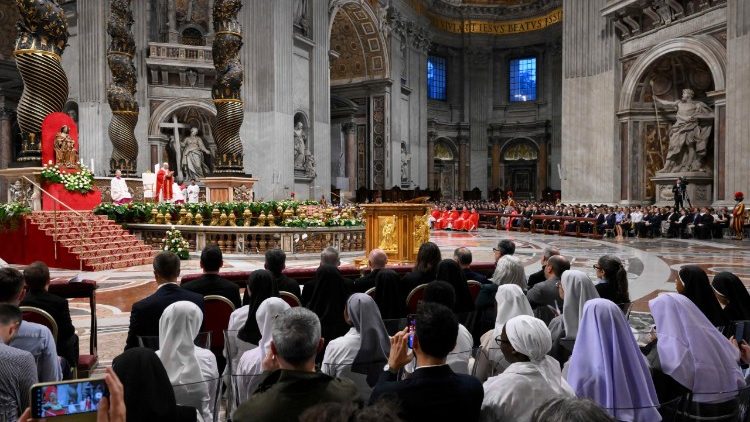
ZENIT
ZS
ZENIT
ZENIT Staff7 days ago

Pakistani court orders reopening of case involving young Christian woman abducted, forced to convert, and married to a 30-year-old man

(ZENIT News / Pakistan, 10.13.2026).- A high court in Pakistan has ordered that a police investigation be reopened in the case of Maria Shahbaz, a 13-year-old Christian girl who was kidnapped, forced to convert to Islam and married off to her 30-year-old abductor, Shehryar Ahmad.

A district court had previously accepted an investigation closure report in March. The petition, filed by the family before the High Court, noted that the police allegedly withheld material evidence that Shahbaz’s age was falsified on forged marriage and conversion documents.

The development follows a July 2026 decision, where Pakistan’s Federal Constitutional Court agreed to hear a review petition in Shahbaz’s case.

“We commend the Lahore High Court for their decision to reopen the investigation and properly review the facts of this case. No child should ever have to endure what Maria has gone through, and we hope this will be a step that ultimately frees her and returns her safely to her family,” Arora stated.

Background

Maria Shahbaz grew up in Pakistan in a Christian home. In July 2025, she was abducted from her family by a 30-year-old man, forced to renounce her faith, and married against her will to her kidnapper. Since then, she has been exposed to grave abuse and exploitation.

In February 2026, her case was filed before Pakistan’s Federal Constitutional Court. While Shahbaz’s parents hoped the court would return her to her home, it instead left her in the custody of her abductor, subjecting her to further abuse and jeopardising her safety. The court never confirmed Shahbaz’s age, in violation of Pakistani law.

In July, Pakistan’s Federal Constitutional Court agreed to hear a review petition in Shahbaz’s case after a previous court ruling failed to verify Shahbaz’s age and left her in the custody of her abductor. Under Pakistani law and international standards, a minor cannot legally consent to conversion or marriage. A previous investigation had already confirmed Shahbaz was a minor before the court issued its ruling and had also found the marriage certificate to be forged. The Federal Constitutional Court granted custody anyway.

The Crisis of Forced Marriage and Conversion in Pakistan

Shahbaz’s case is not an isolated one. It is estimated by human rights groups that more than 1,000 underage girls are forced into conversion and marriage every year in Pakistan. The pattern is consistent: abduction, fabrication of marriage and conversion documents, and then reliance on those documents before courts to block a family’s access to their child. Local authorities are often complicit, and courts have frequently failed to uphold the country’s Child Marriage Restraint Act, which sets the legal age of marriage for girls at 18 years.

ADF has supported dozens of girls who have suffered these abuses. Reeha Saleem was 16 years old when she was abducted by her neighbour while on her way home from school in the Gujrat district. She was taken to an unknown location by four men, subjected to violence and forcibly married to one of her captors. After two months of abuse, she was able to flee — yet, since she remained formally “married” to her abuser, the police refused to protect her. Her marriage was ultimately annulled by a court in Pattoki in 2024.

In another case, 14-year-old Maira was forcibly married and converted from her Christian faith. She escaped her captor, but not before he brutalised, blackmailed, and attempted to forcibly convert her — and when she sought justice, a high court initially ordered that she be returned to her abductor. With legal support from Alliance Defending Freedom, she was ultimately freed from the coerced marriage and returned safely to her family.

Recently, Pakistan has begun to take notable steps to address this crisis. This year, Punjab — Pakistan’s largest province — passed the Punjab Child Marriage Restraint Act, setting the minimum age for marriage at 18 years. The legislation also emphasises that courts must put the best interests of children first in marriage cases. This amendment has come as leaders around the globe, including UN experts, EU MEPs and UK parliamentarians, have warned about the crisis of forced marriage and conversion in Pakistan.

Thank you for reading our content. If you would like to receive ZENIT’s daily e-mail news, you can subscribe for free through this link.

The post Pakistani court orders reopening of case involving young Christian woman abducted, forced to convert, and married to a 30-year-old man appeared first on ZENIT - English.
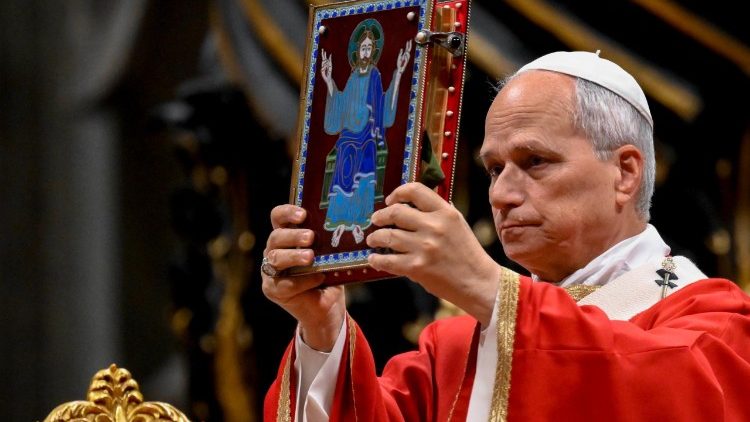
ZENIT
ZS
ZENIT
ZENIT Staff7 days ago

Hakuna is being sued in Spanish courts for alleged plagiarism

(ZENIT News / Madrid, 10.13.2026).- Spanish sculptor Javier Viver has taken legal action against the Hakuna Revolution Foundation over the copyright to a Marian sculpture, seeking a judicial ruling on the relationship between his original work and a second, similar image commissioned later by the organization. The dispute, which dates back to 2021, raises questions about artistic ownership and the protection of religious art without, Viver insists, challenging the devotion associated with either image.

The disagreement centers on Our Lady of Hakuna, a contemporary representation of the Virgin Mary commissioned by the foundation. Viver depicted Mary pregnant, seated on her heels and embracing her womb in a posture of Eucharistic adoration. The work reflected the spirituality of a movement that has become widely known in Spain for its gatherings and popular Catholic music.

Hakuna stopped selling Viver’s sculpture in 2021 and commissioned another artist, María Elisa Rivera, to create a replacement. The new work, officially titled Mother of Hakuna, also known as Mother of the Embrace, shares elements with the original. Hakuna’s website says the second sculpture was inspired by a painting of the same name by Matoya Martínez Echevarría, which was presented to Pope Francis during a meeting in Rome in 2018.

The central legal question is not simply that two sculptures represent the same religious figure, but whether the relationship between the works and the rights attached to them have been properly respected. Viver says the parties disagree over the connection between the two images and the rights each can claim. After years of discussions and unsuccessful attempts to reach an agreement outside court, he has concluded that a judicial decision is necessary.

For the sculptor, the case concerns a fundamental principle of artistic work: the recognition and protection of authors’ rights. Viver is an internationally recognized artist specializing in contemporary sacred art and has promoted projects including the Way of Art initiative and a proposal to build what its organizers describe as the world’s largest statue of the Sacred Heart of Jesus.

He has nevertheless been careful to separate the legal dispute from the religious significance of the sculptures. Viver says he bears no ill will toward Hakuna and does not intend to harm the foundation or the people involved in the movement. Nor does he want the proceedings to become a religious controversy or interfere with the devotional feelings associated with the image. He says he hopes the courts will clarify the situation fairly and respectfully, and plans to refrain from public comment while the case proceeds unless a response becomes necessary to protect his position or reputation.

Hakuna, for its part, has described the matter to Spanish media as technically complex and said its foundation is handling it. The organization has emphasized that both sculptures express its devotion to the Virgin Mary.

The foundation provides the legal framework for the projects of Hakuna, a private association of the faithful approved in 2017 by Cardinal Carlos Osoro, then archbishop of Madrid. The movement has attracted attention through its music and religious activities, but it has also faced criticism over the commercialization of faith and the lack of public financial reporting on income from merchandise and concerts. The available information does not establish how those criticisms relate to the copyright proceedings.

The current version of Mother of Hakuna is sold through the movement’s online store in several sizes, with prices ranging from €30 for a six-centimeter figure to €2,850 for a sculpture measuring 70 centimeters. Those sales make the question of rights particularly tangible, although the existence of a commercial market does not by itself determine the legal merits of the case.

The proceedings will have to establish the rights of the parties. In a dispute involving sacred art, those issues can easily become entangled: a work may carry deep spiritual meaning for a community while also remaining the product of an individual artist’s creative labor. Viver’s stated aim is to have the latter question resolved through the courts, without turning it into a confrontation over the former.

Thank you for reading our content. If you would like to receive ZENIT’s daily e-mail news, you can subscribe for free through this link.

The post Hakuna is being sued in Spanish courts for alleged plagiarism appeared first on ZENIT - English.
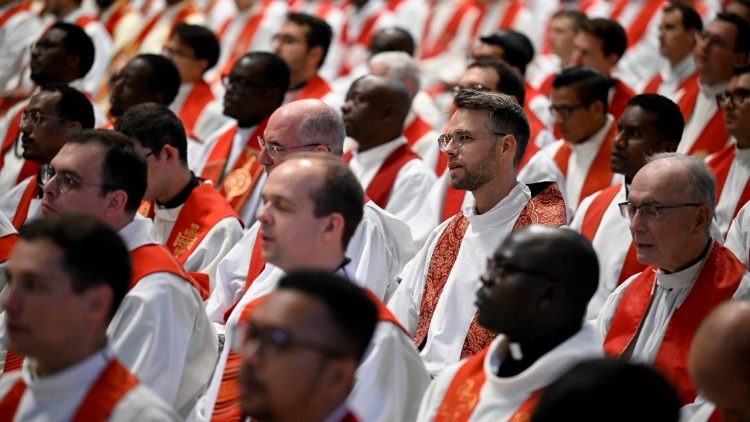
ZENIT
ZS
ZENIT
ZENIT Staff8 days ago

Leo XIV’s Health: What Is Known and Said at the Vatican Regarding the Pope’s Health and the Initial Consequences of His Hospital Admission.

(ZENIT News / Rome, 10.12.2026).- Pope Leo XIV will be admitted to the Gemelli Polyclinic in Rome on Tuesday, October 13, to undergo a procedure to remove a pulmonary nodule detected during a recent medical check-up. The 71-year-old Pontiff personally announced the news at the conclusion of the Angelus prayer on Sunday, October 11, explaining that the lesion had been identified at a very early stage and was well-defined. Doctors have recommended its removal, and the initial expectation is that he will remain hospitalized for about a week.

The news took the faithful gathered in St. Peter’s Square by surprise and once again brought a particularly delicate issue for the Holy See to the forefront: the health of the man who leads the Catholic Church and the consequences of a potential temporary interruption of his activities.

Leo XIV announced the decision calmly, without dramatizing the situation or offering a diagnosis that is not yet known. «Following their [the doctors’] advice, I have decided to undergo surgery to remove it,» he explained, before expressing gratitude for the expressions of support and asking for prayers. The Holy See later clarified that he would be admitted on the morning of Tuesday, October 13, and that the procedure would take place early in the week. Speculation suggests the operation will occur on Wednesday, October 14.

The pulmonary growth was discovered following tests performed at the Gemelli-Isola facility, initially intended to investigate what was considered a possible inflammation. According to information provided by the Vatican, the check-up was not prompted by a specific health issue but was a routine medical examination.

The nature of the nodule has not been made public. It is therefore important to distinguish between the need for intervention and a cancer diagnosis; they are not the same thing. Pulmonary nodules can be benign or malignant, and their assessment depends on factors such as size, density, progression, and the patient’s medical history. When indicated, surgical removal allows for tissue analysis and the determination of subsequent steps. Without additional clinical information, it is impossible to ascertain the specifics of the Pontiff’s case.

The decision to take action at an early stage reflects the importance of evaluating such lesions without unnecessary delay when specialists deem surgery appropriate.

The Medical Team Already Known to the Vatican

The team attending to the Pope will be led by Luigi Carbone, a physician with years of experience in the medical care of Pontiffs and the current head of the Directorate of Health and Hygiene for the Governorate of Vatican City State. Carbone, who also accompanied Pope Francis on his Apostolic Journeys, will be assisted by specialists from the Rome-based hospital.

Joining him will be Massimiliano Strappetti, a nurse with extensive experience in caring for Popes. Professionally trained at the Gemelli itself, he attended to John Paul II and remained close to Benedict XVI until the end of his life. During Francis’s pontificate, he also became a trusted figure in monitoring the Pope’s health.

The choice of the Gemelli also holds significant historical meaning. The Catholic University Hospital, part of the Catholic University of the Sacred Heart, features facilities specially equipped for Pontiffs, including a private chapel on the tenth floor.

John Paul II spent a total of 153 days hospitalized there during his pontificate and famously referred to the center as «Vatican III.» Pope Francis was also admitted on numerous occasions, totaling nearly 38 days of hospitalization, according to available records. His most recent, prolonged admission, marked by severe respiratory complications, ended up being one of the most difficult episodes of his pontificate.

The arrival of the Pope at the same center inevitably brings those memories back to the minds of Catholics. However, the medical circumstances of each Pontiff differ, making it impossible to draw direct parallels regarding the current Pope’s progress.

A Suspended Schedule and a Trip That Remains in the Plans

The hospitalization will have immediate consequences for papal activities. The Prefecture of the Papal Household has announced the cancellation of audiences and scheduled events through Tuesday, October 20; this includes the meeting regarding Amoris Laetitia, the document on the family issued by Pope Francis, marking the tenth anniversary of its publication.

Cardinals Mario Grech and Kevin Farrell announced that the meeting took place as planned, though a summary will not be released publicly for the time being. Once the Pope has completed his convalescence, they will present him with the assembly’s results, the texts of the interventions, and the reports from the 16 working groups, pending his instructions.

The interruption of the schedule does not, in itself, mean that the Pope ceases to exercise his authority. Canon Law does not establish a specific procedure for transferring the governance of the Church in the event of a Pontiff’s total incapacity. Precedents show that Popes have continued to make decisions during hospitalizations, while Roman Curia officials maintain the ordinary functioning of the institutions. The possibility of prolonged incapacity cannot be assumed as a certainty. Vatican sources estimate that the Pope will remain hospitalized for a week, implying he could potentially leave the hospital on Monday, October 19, or Tuesday, October 20. However, even after discharge, he will need to spend another week recovering, meaning he would likely resume his full schedule around October 26 or 27.

In the short term, the pontificate’s agenda includes a major commitment: the Apostolic Journey scheduled for November 6–17 to Uruguay, Argentina, and Peru. The itinerary involves about ten flights, two helicopter trips, and significant changes in altitude while in Peru. The Holy See maintains that the Pope remains firm in his plans to travel; however, the outcome of the operation and the subsequent recovery could necessitate a reconsideration. The Pontiff, born in Chicago on September 14, 1955, has thus far demonstrated remarkable physical vitality. His recent activities, including his movements during the visit to France, the trip to Lampedusa, and his vacation at Castel Gandolfo, gave no public indication that a procedure of this nature would be required. Nevertheless, while his good physical condition and the early detection of a lesion present potentially favourable circumstances, they alone cannot predict the medical outcome.

The Pope’s Brothers

Among the first reactions to the announcement regarding Pope Leo XIV was that of Louis Prevost, the Pope’s 74-year-old older brother living in Florida, who asked for prayers that the procedure would proceed without complications. «I am sure he will make a full recovery and continue his mission of guiding the Catholic Church,» he stated. Louis is currently undergoing hospital treatment for cancer, a circumstance that adds a personal dimension to his words.

Although Louis holds political views that differ from his brother’s, both have sought to preserve their family relationship. Louis has publicly acknowledged their disagreements, including on issues such as immigration, without letting them prevent the brothers from staying in touch.

Bishops in the United States also invited the faithful to pray for both the Pope and the medical team attending to him. In Italy, President Sergio Mattarella conveyed a message of solidarity to the Pontiff on behalf of the many people, believers and non-believers alike, who are following his situation with concern. Prime Minister Giorgia Meloni highlighted the serenity with which Leo XIV shared the news.

The procedure also comes just days after the Pope approved the appointment of Filipino Cardinal Luis Antonio Tagle as Dean of the College of Cardinals, on October 9. Tagle, 69, replaces 92-year-old Cardinal Giovanni Battista Re, whose term had been extended by Francis. The Dean plays a significant role during the transition between pontificates and in the preparation for the Conclave, although the appointment is not necessarily linked to the hospitalization.

For the moment, the crucial fact remains that doctors have recommended the removal of a localized pulmonary lesion that was detected at an early stage. Prudence dictates that this information should not be confused with a more serious diagnosis, nor should the Pope’s calm demeanor be interpreted as a guarantee of a specific clinical outcome. As the hospitalization begins and the Holy See reorganizes its activities, the Church faces this period with a simple request from the Pope himself: to accompany him in prayer and await the answers that the medical progress of his condition will provide.

The post Leo XIV’s Health: What Is Known and Said at the Vatican Regarding the Pope’s Health and the Initial Consequences of His Hospital Admission. appeared first on ZENIT - English.

ZENIT
ZS
ZENIT
ZENIT Staff9 days ago

Death Threat Against Mexican Bishop Exposes the Risks Facing Church Leaders Who Speak Out on Violence

(ZENIT News / Aguascalientes, 10.11.2026).- A offer of 40,000 Mexican pesos to anyone willing to attack Bishop Juan Espinoza Jiménez of Aguascalientes has prompted condemnation from Mexico’s Catholic hierarchy, calls for protection from state legislators and a criminal investigation into online threats. The episode has also revived a wider question confronting the Church in Mexico: whether its bishops and priests can speak publicly about violence, disappearances and government accountability without becoming targets themselves.

The controversy escalated after a message attributed to social media personality José Lápiz offered the money in exchange for an assault on Espinoza. The post included insults directed at priests. After criticism mounted, Lápiz reportedly questioned whether his words should be taken literally, but continued making hostile remarks against members of the Church and referred to offering money for their heads. The message was subsequently removed.

The threat came amid a public debate over the role of the Church in Mexican political and social life. In his homily at Aguascalientes Cathedral on September 27, Espinoza urged Catholics to judge public officials by the results of their policies rather than by promises or rhetoric. He challenged what he described as contradictions between official appeals to freedom and pluralism and threats of imprisonment against people who disagree with government decisions. He also questioned claims of national sovereignty in a country where criminal organizations continue to exercise a destructive influence.

The bishop further drew attention to the plight of families searching for missing relatives. These so-called searching mothers have become a powerful symbol of Mexico’s crisis of disappearances, often pressing authorities to provide answers when investigations and official commitments fail to deliver results. Espinoza argued that citizens must assess whether promises of support translate into meaningful assistance.

His message was not limited to criticism of political leaders. He called on Catholics to participate in public affairs, remain informed about their communities and demand accountability through respectful, democratic means. Citizens, he insisted, must also examine their own conduct and ask what they can contribute to the common good. The responsibility to challenge wrongdoing, in this view, goes hand in hand with the duty to act consistently in one’s own life.

A week later, on October 4, Bishop Ramón Castro Castro, president of the Mexican Bishops’ Conference and bishop of Cuernavaca, addressed the threats against Espinoza during his Sunday homily. Castro acknowledged that he could not be certain how serious the reported offer was, but warned that such messages could be intended to intimidate bishops because of their public interventions.

His response was unequivocal: “We cannot remain silent.” Social engagement, he argued, is not an optional addition to Christian life but flows from the Gospel itself. Calls for the Church to confine itself to the sacristy—the area of a church where the clergy prepare for worship—would prevent it from addressing the suffering and injustice experienced beyond the church walls.

Castro also described the Christian responsibility to help build a society in which every person’s dignity is respected and violence is no longer treated as a normal way of resolving disputes. His argument reflects a longstanding Catholic understanding that the Church’s mission includes both worship and the defense of human dignity in public life. Speaking about social problems does not mean that bishops should become political party operatives; it does mean that threats should not determine which issues they are permitted to address.

The case has moved beyond expressions of solidarity. On October 7, state prosecutor Manuel Alonso García announced that the matter was being investigated by the Cybercrime Unit. He described it as a serious issue that could not be ignored and said other threatening messages directed at the bishop had also appeared. Authorities, he stated, intended to examine the available information rather than dismiss potential risks to personal safety.

Local political and civic figures have also responded. State legislator Nancy Gutiérrez called on the government of Aguascalientes to provide protection for Espinoza. Jaime Castro, president of the National Front for the Family in Aguascalientes, expressed support for the bishop and rejected attempts to intimidate him. The organization’s spokesman, Alan Capetillo, said it was assessing the credibility and reach of the threat before deciding whether to pursue legal action.

The concerns are rooted in a broader record of violence against Catholic clergy. On June 20, 2022, Jesuit priests Javier Campos and Joaquín Mora were murdered inside a church in Cerocahui, Chihuahua, after attempting to protect a man being pursued by an armed assailant. The Society of Jesus subsequently demanded justice and greater protection for local communities.

On October 20, 2024, Father Marcelo Pérez Pérez, an Indigenous Tsotsil priest known for his peacebuilding and mediation work, was killed in San Cristóbal de Las Casas, Chiapas, after celebrating Mass. He had reportedly received threats connected to his work with communities affected by violence. The bishops’ conference called for a thorough and transparent investigation and for effective measures to protect priests and confront impunity.

More recently, on September 15, 2026, Father Román de la Cruz Hernández, parish priest of Santa Cruz in the Diocese of Huejutla, was found dead with gunshot wounds in the state of Hidalgo. The bishops’ conference and Bishop José Hiraís Acosta Beltrán of Huejutla demanded that the killing be clarified and justice pursued. Acosta also cautioned against speculation and called for peace and reconciliation.

The circumstances of these cases differ, and the reported online threat against Espinoza should not be equated automatically with the completed murders of other priests. Together, however, they explain why the Church regards the safety of its clergy as a pressing concern in a country where criminal violence and impunity have affected numerous communities.

The immediate test for the authorities in Aguascalientes is to establish the credibility of the threats, determine responsibility and take appropriate protective measures.

Thank you for reading our content. If you would like to receive ZENIT’s daily e-mail news, you can subscribe for free through this link.

The post Death Threat Against Mexican Bishop Exposes the Risks Facing Church Leaders Who Speak Out on Violence appeared first on ZENIT - English.

ZENIT
A
ZENIT
aolvera9 days ago

What is the role of the Virgin Mary and sacred music in exorcisms? A conference of exorcists in Italy provides the answer

(ZENIT News / Rome, 11.10.2026).- Around 120 Catholic exorcists and priests who assist in the ministry gathered in Sacrofano, near Rome, from September 21 to 25 for the 15th Italian National Conference of the International Association of Exorcists. The meeting combined accounts of difficult pastoral cases with theological reflection on the Virgin Mary, sacred music and the spiritual formation required for a ministry that the Church considers both sensitive and demanding.

The conference, held every two years in alternation with the association’s international meeting, also marked the tenth anniversary of the death of Father Gabriele Amorth, the celebrated Roman exorcist who founded the organization. His legacy provided a recurring theme: the conviction that a priest cannot be adequately prepared for exorcism simply by receiving a bishop’s appointment and the Church’s ritual.

Father Francesco Bamonte, the association’s vice president, recalled Amorth’s insistence on continued training. Without practical experience and proper preparation, he argued, a newly appointed exorcist would resemble an inexperienced surgeon. The association’s work therefore includes ongoing formation, discernment and guidance in the use of the Church’s authorized rites.

This institutional dimension is significant because, as Father Piermario Burgo explained during the meeting, exorcism is not an informal religious practice. It is a specific ecclesiastical ministry entrusted to a priest with the bishop’s permission, and it requires the consent of the person seeking help.

Several priests presented cases that, in their interpretation, illustrated the complexity of this work. Father Benigno Palilla, an exorcist of the Archdiocese of Palermo, described a young woman who, according to his account, was freed after two and a half years of possession. The association reported that she had experienced intense hostility toward others and self-hatred, including suicidal thoughts. Palilla said that her recovery culminated on the liturgical memorial of Saint Pio of Pietrelcina and that, after committing herself fully to God, she experienced profound inner peace and a renewed desire to live.

Father Angelo Barra of the Diocese of Salerno recounted the case of another young woman who had suffered domestic abuse. After returning from a trip, she began experiencing severe physical pain that intensified during Mass. According to the association, the reading of passages from chapter 16 of the Acts of the Apostles, together with blessings and the prayers of two Catholic communities in Africa, formed part of the process that the priest understood as her liberation. The woman subsequently reported having undergone a ritual consecration by a sect at the place she had visited.

A third account, presented by Father Michele Tenzon, a former exorcist in the Sanremo-Ventimiglia diocese, concerned a South American woman whose relatives had allegedly dedicated her to spirits. Tenzon emphasized the importance of an authentic Christian life, continued priestly formation and Marian intercession.

These accounts were presented as testimonies within the association’s pastoral framework, rather than as independently verified clinical findings. The conference materials linked some cases to occult practices, spiritism and estrangement from the sacraments. Such claims reflect the participants’ religious interpretation of the experiences described; they do not establish that mental or physical suffering is necessarily evidence of demonic activity. The reference to suicidal thoughts in one case also underscores why spiritual accompaniment must not be confused with a substitute for appropriate medical or psychological care.

Beyond individual cases, the conference examined two elements that participants regard as important in Catholic spiritual life: devotion to Mary and sacred music. Father Salvatore Perrella, a Servite theologian and former dean of Rome’s Marianum theological faculty, situated the Virgin within the mystery of the Incarnation and the Church’s understanding of salvation. Mary’s importance, he argued, rests on her fidelity to God and her intercessory role, through which Christians pray for the triumph of good over evil.

Father Giuseppe Grassi, an exorcist who directs the sacred music office of the Archdiocese of Brindisi-Ostuni, discussed the use of music and singing in exorcism. He described sacred music as closely connected to the liturgy and to the Church’s anticipation of heavenly worship. The tradition ranges from the Psalms and Gregorian chant to popular hymns in honor of Mary. In this understanding, music is not a magical instrument but part of the wider prayer of the Church.

The meeting also placed exorcism within the broader theological vision of the priest’s union with Christ. Father Marcello Lanza of the Diocese of Acerra argued that the ministry must remain rooted in spiritual theology and in conformity with Christ, whom Christians understand as the liberator from evil. During a Mass, Cardinal Baldo Reina, the pope’s vicar for the Diocese of Rome, similarly described the exorcist as an instrument of God’s liberating mercy, called to accompany people in suffering.

Other presentations widened the discussion to the risks associated with occult groups and ritualized violence. Father Aldo Buonaiuto, an exorcist of the Diocese of Rome who is responsible for the anti-sect service of the Pope John XXIII Community, warned against manipulation by esoteric practitioners and the appeal of supposedly supernatural powers. He identified fascination with the occult, personal ambition and the devaluation of emotional relationships among the attitudes and circumstances he considered dangerous.

Jesuit theologian Father Mario Imperatori examined the documentary Les Survivantes (2024), directed by Pierre Barnérias, which recounts the experiences of eight women who say they suffered abuse within an international pedophilia network. He explored possible historical, cultural and theological interpretations of such phenomena. Criminologist Beatrice Ugolini, a consultant to the Italian Church’s research group on sects and new religious movements, concluded the conference with an examination of ritual violence in occult settings, including sacrificial practices and acts of initiation that may involve severe harm.

Ten years after Amorth’s death on September 16, 2016, the association he founded continues to present exorcism as a specialized pastoral responsibility rather than a spectacle. The conference’s central message was that the ministry requires ecclesiastical oversight, careful discernment, sustained formation and a clear focus on Christ. For its participants, confronting evil is inseparable from accompanying vulnerable people with prayer, responsibility and respect for their dignity.

Thank you for reading our content. If you would like to receive ZENIT’s daily e-mail news, you can subscribe for free through this link.

The post What is the role of the Virgin Mary and sacred music in exorcisms? A conference of exorcists in Italy provides the answer appeared first on ZENIT - English.

ZENIT
JM
ZENIT
Jorge Enrique Mújica9 days ago

The Great Paradox: Catholics, but Without Mass. Findings from a Recent Australian Study, the 14 Reasons Identified, and Possible Solutions

(ZENIT News / Rome, 11.11.2026).- A new study commissioned by Australia’s Catholic bishops has uncovered a significant pastoral paradox: many Catholics who rarely attend Sunday Mass remain deeply attached to their faith, pray regularly and continue to believe in central Christian teachings. The challenge for the Church, therefore, may not simply be to bring people back through the doors of its churches, but to understand why a faith that still matters to them no longer consistently shapes their weekly lives.

Published on October 7, 2026, the 176-page report, “Absent from the Table: Catholics in Australia Who Do Not Regularly Attend Sunday Mass,” draws on an online survey of 1,963 adult Catholics across seven Australian states and territories, followed by in-depth interviews with 67 volunteers. Conducted by the National Centre for Pastoral Research in Canberra, the project builds on a similar investigation published in 2007. Its authors caution that participants volunteered for the study, so the findings cannot automatically be treated as representative of all Australian Catholics.

Nevertheless, the figures offer a revealing picture of belief beyond regular church attendance. Some 65% of participants said faith was very important in their lives, while 64% prayed regularly. More than three-quarters expressed belief in Jesus as the Son of God, and 55% affirmed the Catholic teaching that Christ is truly present in the Eucharist. By contrast, 24% regarded the Eucharistic elements as symbolic, and 21% were unsure about the doctrine.

Catholic identity also continued to find expression outside Sunday worship. Forty-four percent said they sent their children to Catholic schools, 40% shared their faith with others, and the same proportion displayed religious symbols or used them in their homes. Meanwhile, 39% volunteered in the wider community and 29% served in their parishes. Irregular attendance, the findings suggest, does not necessarily amount to a rejection of Christianity or a complete withdrawal from Church life.

Yet the scale of the wider decline is difficult to ignore. According to the report’s demographic background, Catholics represented 20% of Australia’s population in the 2021 census, down from 26% in 2006. Their total number fell to 5,075,910 in 2021, reversing a century-long period of growth that had peaked at 5.4 million in 2011. The proportion of Catholics attending Mass declined from 11.8% in 2016 to 8.2% in 2021. Among those attending in 2021, 25.8% were over 70, while just 9.5% were aged between 18 and 29.

The report identifies 14 broad reasons for irregular attendance, ranging from personal circumstances to dissatisfaction with Church life. Illness, old age, transport difficulties, family responsibilities and competing priorities can all interfere with attendance. But the researchers also highlight questions about liturgical quality, relationships with priests, abuse of ecclesiastical authority, disappointment with Church leadership, feelings of exclusion and the perception that Catholicism has become disconnected from contemporary life.

Some of these concerns have become more prominent since the previous study. The effects of the COVID-19 pandemic, including changes in worship habits and a greater reliance on personal prayer, online Mass, nature and service to others, have reshaped spiritual routines. The report also identifies a desire for community that is not always being met by parish life, as well as concerns involving priests born overseas and parishes where Sunday Mass is not celebrated every week.

Australia’s Indigenous questions have introduced another source of division. Some respondents were disappointed by what they saw as a lack of unified Church support for the 2023 referendum on an Indigenous advisory body to Parliament. Views also differed over the practice of acknowledging the traditional custodians of the land before Mass: some participants felt uncomfortable with its inclusion in liturgical settings, while others were troubled when priests discouraged it, seeing that stance as inconsistent with Catholic social teaching and reconciliation.

The report does not offer a single remedy. Instead, it records requests for more convenient Mass times, shorter services, better music, clearer explanations of the liturgy and preaching that connects the Gospel with everyday experience. Participants also called for stronger relationships within parishes, more accountable leadership and a Church that is welcoming without leaving people feeling that their questions or difficulties are unwelcome.

Bishop Greg Bennet, vice-president of the Australian bishops’ conference, said the findings should encourage the Church to accompany people rather than simply label them as lost or disaffected. Archbishop Anthony Ireland of Hobart, meanwhile, posed a sharper question: Australians returned to football stadiums and tennis crowds after the pandemic, so why had Sunday Mass not regained its place in their routines? His answer was that the Church must help people rediscover the Eucharist as something worthy of being central to their lives, through meaningful catechesis, beautiful liturgy and authentic leadership.

The International Eucharistic Congress scheduled for Sydney in 2028 could provide an opportunity to respond to these concerns. Renée Köhler-Ryan, deputy vice-chancellor of the University of Notre Dame Australia, argued that a renewed emphasis on inspiring liturgy, bringing together the ancient and contemporary dimensions of belief in Christ’s Eucharistic presence, should form part of that effort.

The report ultimately exposes a tension that cannot be resolved by statistics alone. For Catholics, Sunday Mass is not merely one religious activity among many; it is the central communal celebration of the Eucharist, and the Church teaches that Catholics are obliged to attend on Sundays and holy days of obligation. The persistence of belief among irregular attendees therefore raises a question deeper than convenience: how can parishes help people reconnect their personal spirituality with the sacramental and communal life of the Church?

The findings suggest that a strategy based solely on urging people to attend more often will be insufficient. But neither do they imply that the importance of Sunday worship can simply be set aside. The challenge is to address genuine obstacles and failures of pastoral care while renewing an understanding of why the Eucharist matters. Australia’s bishops have been given a substantial body of evidence; the next test will be whether the Church can turn those voices into lasting pastoral change.

Thank you for reading our content. If you would like to receive ZENIT’s daily e-mail news, you can subscribe for free through this link.

The post The Great Paradox: Catholics, but Without Mass. Findings from a Recent Australian Study, the 14 Reasons Identified, and Possible Solutions appeared first on ZENIT - English.

ZENIT
ZS
ZENIT
ZENIT Staff9 days ago

Cardinal Re steps down, Cardinal Tagle takes his place: for the first time, a Filipino is the leader of all the world’s cardinals

(ZENIT News / Rome, 11.10.2026).- Pope Leo XIV has approved the election of Cardinal Luis Antonio Tagle as dean of the College of Cardinals. Announced on October 9, the appointment ends Cardinal Giovanni Battista Re’s tenure at the age of 92 and gives the 69-year-old Filipino prelate a prominent role in preparing the Church for a future conclave.

Tagle, pro-prefect of the Vatican’s Dicastery for Evangelization, was elected on October 8 by the cardinals belonging to the College’s Order of Bishops. He will retain his title associated with the suburbicarian See of Albano while also assuming that of Ostia, traditionally linked to the dean. He is the first Asian cardinal to hold the position, a distinction that adds symbolic weight to his appointment as Catholicism continues to grow and develop across different regions of the world.

The dean is not a superior with governing authority over the other cardinals. Rather, he serves as a coordinator and assumes particular responsibilities when the papacy becomes vacant. He presides over important ceremonies surrounding a pope’s death, helps convene the cardinals for the conclave and, if he is under 80 and therefore eligible to vote, presides over the election. After the ballots produce a winner, the dean asks the elected cardinal whether he accepts the papacy and what name he wishes to take.

These responsibilities make the office highly visible at the moment when the Church must choose its next leader. Tagle was already considered a possible candidate in the 2025 conclave that elected Leo XIV. His new role is likely to bring greater international attention, although it does not make him the automatic favorite in any future election. Cardinal Joseph Ratzinger was dean when he was elected Pope Benedict XVI in 2005, demonstrating that the office and the papacy can coincide in one person’s career without establishing a rule.

Tagle succeeds a figure whose experience spans several pontificates. Born in the Italian region of Brescia, Re served in the Holy See’s diplomatic service before taking on senior responsibilities in the Secretariat of State. He later became secretary and then prefect of the Vatican office responsible for bishops, leading it from 2000 to 2010. His long service gave him an unusually broad view of the Church’s leadership and administration.

His role became especially important during the 2013 conclave. Although he was an elector, the then-dean, Cardinal Angelo Sodano, was over 80 and therefore unable to enter the conclave. Re consequently performed the dean’s principal functions during the election that made Jorge Mario Bergoglio the first pope from Latin America. In April 2025, he again occupied the center of the Church’s public life, presiding at Pope Francis’s funeral and at the Mass before the conclave that elected Leo XIV on May 7.

Re had become dean in 2020, succeeding Sodano. Pope Francis renewed his mandate in January 2025, extending his service through the transition following Francis’s death. His departure now reflects a change of generation at the head of the College of Cardinals, even as he retains his title associated with Sabina-Poggio Mirteto and becomes dean emeritus.

The position’s terms had themselves been changed under Francis. In 2019, he established a five-year mandate for the dean, renewable once, rather than an appointment held for life. The reform responded to the growing number of cardinals and the increasing demands placed on the office. Re’s tenure, including its renewal, unfolded under this revised system.

Thank you for reading our content. If you would like to receive ZENIT’s daily e-mail news, you can subscribe for free through this link.

The post Cardinal Re steps down, Cardinal Tagle takes his place: for the first time, a Filipino is the leader of all the world’s cardinals appeared first on ZENIT - English.

ZENIT
ZS
ZENIT
ZENIT Staff9 days ago

The Vatican clarifies its position on “chivalric orders”: it does not recognize the value of their diplomas and insignia, nor does it consider it appropriate to use churches for investiture ceremonies

(ZENIT News / Vatican City, 11.10.2026).- Following numerous requests for information regarding the Holy See’s position on chivalric  orders dedicated to saints or bearing sacred titles, the Secretariat of State deems it appropriate to  reiterate what has been published in the past.

In addition to its own chivalric orders (the Supreme Order of Christ, the Order of the Golden  Spur, the Pian Order/Order of Pope Pius IX, the Order of Saint Gregory the Great, and the Order of  Saint Sylvester the Pope), the Holy See recognizes and protects only the Sovereign Military Order  of Malta (that is, the Sovereign Military Hospitaller Order of Saint John of Jerusalem, of Rhodes  and of Malta) and the Equestrian Order of the Holy Sepulcher of Jerusalem. It does not intend to  change this policy.

All other equestrian orders, whether newly established or claiming descent from medieval  orders, are not recognized by the Holy See, since the Holy See cannot vouch for their historical and  juridical legitimacy, their purposes or their organizational structures.

To avoid misunderstandings that are unfortunately possible due in part to the unlawful  issuance of documents and the improper use of sacred places, and to prevent the continuation of  abuses that ultimately harm many people acting in good faith, the Holy See reaffirms that it attaches  no value to knighthood diplomas and related insignia issued by unrecognized organizations and  does not consider the use of churches and chapels for so-called “investiture ceremonies” to be  appropriate.

Thank you for reading our content. If you would like to receive ZENIT’s daily e-mail news, you can subscribe for free through this link.

The post The Vatican clarifies its position on “chivalric orders”: it does not recognize the value of their diplomas and insignia, nor does it consider it appropriate to use churches for investiture ceremonies appeared first on ZENIT - English.

ZENIT
FM
ZENIT
Fr. Edward McNamara9 days ago

Questions about liturgy: Candles for Communion to the Sick

(ZENIT News / Rome, 11.09.2026).- Answered by Legionary of Christ Father Edward McNamara, professor of liturgy and sacramental theology at the Pontifical Regina Apostolorum university.

Q: Many older artistic representations which show Communion being taken to the sick strongly feature the presence of a candle, sometimes borne by a server or servers, but it seems very uncommon for this to happen today. When a cleric or an extraordinary minister of Holy Communion removes hosts from the tabernacle to distribute them to the homebound and the sick, should candles be lit either side of the tabernacle? Should this also occur when Hosts are replaced back in the tabernacle? Should a candle or candles be lit in the homes or hospital rooms where one gives the homebound and sick Communion? Could or should one or more available altar servers carry a candle on the way to each home if this were practically possible? Finally, are there any universal norms about the required liturgical vestments for this rite? — J.D., Wagga Wagga, Australia

A: The current norms for taking Communion to the sick do not mention using candles in taking the Eucharist from the church to the person’s dwelling place or hospital room. In the case of bringing Communion to the sick, the ritual for the pastoral care of the sick offers the following instruction:

«When the eucharist is brought to the sick, it should be carried in a pyx or small closed container. Those who are with the sick should be asked to prepare a table covered with a linen cloth upon which the blessed sacrament will be placed. Lighted candles are prepared and, where it is customary, a vessel of holy water. Care should be taken to make the occasion special and joyful.»

This is the only mention of candles in this particular context.

The rubrics in the old ritual books were more detailed and called for a procession including a canopy, whenever Communion is brought to the sick. When this is not possible, it says:

«Should the journey be long or difficult, and even perhaps made on horseback, it will be necessary that the receptacle with the sacrament be securely encased in a beautifully made burse, and this fastened to the neck and secured at the breast, so as to prevent the sacrament from falling or being shaken out of the pyx.»

In the above difficult case, the ceremonial formalities, such as candles and canopies, are left aside in favor of what is most essential, bringing the comfort and sustenance of the Eucharist to the infirm.

I think that the present, far simpler, norms are not a concession or a sign of lack of reverence but a practical adaptation to the realities of modern life.

The original ritual forms were developed in Europe where most sick and dying people remained at home within a short distance of their parish church. Bringing the Eucharist to the sick and dying with a canopy and candles was not only a sign of public adoration toward the Blessed Sacrament but was also a pastoral invitation to the whole community to pray for a sick member of an often tight-knit community.

While the current norms do not require any of this, should the local conditions be analogous, I would see no difficulty in a pastor taking the Eucharist to the sick in a solemn manner if it were pastorally fruitful.

In modern times, however, many ill or elderly people are found in hospitals, nursing homes, or even in apartments or condominiums with multiple floors. Even private houses can be quite a distance from a parish.

This means that priests, deacons and extraordinary ministers often have to bring the Eucharist to the sick in their cars. Certainly, during the trajectory they should do all that is possible to keep a reverent silence and recollection while being attentive to traffic.

Given the realities of pastoral attention to the sick in our modern age, I believe that those who reformed and simplified the rite did well to mandate only what was considered essential.

Finally, as we mentioned in an earlier answer regarding extraordinary ministers on January 28, 2024, there are some diocesan norms and ceremonies for the reception of the hosts to bring to the sick, especially when this is done at the end of Mass.

However, there are no current norms that would require lighting candles when the tabernacle is opened to take hosts outside of Mass nor to replace hosts after administrating Communion to the sick.

Indeed, this latter situation of hosts left over should generally be avoided if possible by careful preparation of the visits or even giving two hosts to one of the people assisting the sick person should he or she be unable to receive Communion.

Again, given the variety of situations, the rituals do not make any norms regarding vestments. Except in emergency situations, such as a road accident, the priest or deacon should at least bring a purple or white stole.

With respect to other vestments, the ordained minister may add an alb or surplice and even a cope should this make the celebration of the communion of the sick more prayerful and pastorally fruitful, not just for the person who is ill but also for the family and the wider faith community.

* * *

Readers may send questions to zenit.liturgy@gmail.com. Please put the word «Liturgy» in the subject field. The text should include your initials, your city and your state, province or country. Father McNamara can only answer a small selection of the great number of questions that arrive.

Thank you for reading our content. If you would like to receive ZENIT’s daily e-mail news, you can subscribe for free through this link.

The post Questions about liturgy: Candles for Communion to the Sick appeared first on ZENIT - English.

ZENIT
ZS
ZENIT
ZENIT Staff9 days ago

Shock Announcement by Leo XIV: A Week in the Hospital; «I Have a Lung Nodule»

(ZENIT News / Vatican City, 10.11.2026).- At the conclusion of the Angelus on Sunday, October 11, Pope Leo XIV announced that he would undergo a procedure to remove a lung nodule. «Recently, during some check-ups, doctors detected a nodule in my lung. It was discovered at a very early stage and is well-localized.»

«The doctors,» the Holy Father added, «consider it advisable to intervene; therefore, following their advice, I have decided to undergo surgery to remove it.» The procedure is already scheduled for the coming days at the Gemelli Polyclinic.

In response to questions from journalists, the Director of the Holy See Press Office, Matteo Bruni, clarified «that the procedure is scheduled for the first few days of next week and that the expected hospital stay following the operation is approximately one week.»

Responding to an inquiry from ZENIT, a doctor at the Gemelli Polyclinic stated: «A pulmonary nodule is a small, round spot or lesion that appears in the lung and is usually discovered on an X-ray or a computed tomography (CT) scan. It generally measures less than 3 centimeters in diameter.» He added: «The most important thing to know is that the majority of pulmonary nodules are benign (non-cancerous).»

Causes associated with the appearance of lung nodules include past infections, scarring of lung tissue, inflammation, benign tumors, and, in some cases, lung cancer or other tumors.

A nodule may be considered more serious when doctors evaluate factors such as its size, shape, and appearance on imaging; whether it has grown over time; the person’s age; smoking history; and any personal or family history of cancer.

The post Shock Announcement by Leo XIV: A Week in the Hospital; «I Have a Lung Nodule» appeared first on ZENIT - English.

ZENIT
ZS
ZENIT
ZENIT Staff11 days ago

The Vatican and Microsoft Launch a New Font for the Microsoft 365 Office Suite: Michelangelus

(ZENIT News / Vatican City, 10.09.2026).- No artist is more intimately linked to the extraordinary history of the Fabbrica di San Pietro than Michelangelo  Buonarroti. His Pietà and the dome of the Basilica stand as universal, enduring testaments to this extraordinary  connection. Today, his pen strokes and handwriting have been transformed into a contemporary typeface.  The result is Michelangelus, a new typeface created by studiogusto® and joining the Microsoft 365 Office Font  collection. A contemporary typeface, rooted in cultural heritage and spirituality and developed  through design and technology, it is the result of a meticulous process of research, design and  testing, and is accessible to people and organisations worldwide.

A synthesis of history, design and technology 

Commissioned by the Fabbrica di San Pietro and created by studiogusto®, the typeface draws inspiration from  Michelangelo Buonarroti’s bold, expressive handwriting. However, it goes beyond a mere reproduction of  the artist’s graphic style and an imitation of his calligraphic techniques. The ambition is broader: to identify  within his handwriting a visual logic, a system of proportions, rhythm and harmony measured by the artist’s  eye, and to translate this into a contemporary typographic system.

Michelangelus establishes a connection between seemingly disparate realms: memory and innovation;  authentic Renaissance manuscripts and modern software; the movement of the hand and vector drawing;  archives of historical documents and the digital tools used daily by millions of people.

Following a meticulous process of verification and refinement, the Michelangelus typeface family comprises  over 500 glyphs, organised into four main styles: Regular, Regular Italic, Bold and Bold Italic. It is a complete  typeface family with a distinctive identity, designed to remain legible and versatile across a wide variety of print  and digital applications. It meets the requirements of a range of applications, particularly those  within Microsoft 365 Office.

It is also available for direct download, allowing individuals and organisations to install and use it free of charge.  This open access to the typeface is accompanied by a licensing model designed to safeguard the integrity and  distribution of the typeface family.

The Michelangelus project is one of the digital initiatives entrusted to Microsoft by the Fabbrica di San Pietro  in Vaticano to promote and enhance its cultural heritage.

Thank you for reading our content. If you would like to receive ZENIT’s daily e-mail news, you can subscribe for free through this link.

The post The Vatican and Microsoft Launch a New Font for the Microsoft 365 Office Suite: Michelangelus appeared first on ZENIT - English.

ZENIT
ZS
ZENIT
ZENIT Staff12 days ago

On De-Radicalizing Aspects of Education and on the Responsibility to Safeguard Revelation and the Memory of the Heart: Leo XIV to the Pontifical Universities

(ZENIT News / Vatican City, 10.08.2026).- Late in the afternoon on Thursday, September 8, Pope Leo XIV presided over Holy Mass to mark the opening of the 2026–2027 academic year at the Roman pontifical universities. The Mass was held in St. Peter’s Basilica and was attended by students (seminarians, priests, religious, consecrated persons, and laypeople) as well as the administrative, teaching, and management staff of the various ecclesiastical universities that report directly to the Holy See. Below is the English translation of the Pope’s homily:

***

Dear brothers and sisters,

Today we celebrate the Eucharist invoking the gift of the Holy Spirit, so that the beginning of the new academic year for the Pontifical Universities may be more than simply a resumption of studies and academic research.  We desire to open our minds and our educational relationships to the creative breath of the Risen one, who bestows peace and unity, so that that each of us may assume our mission and thus respond to the God who calls us, and to humanity that awaits us. Let this new beginning, therefore, be a truly ecclesial moment in which gathering around the Lord’s table nourishes our shared mission.  In this way, no one will teach, study or undertake research solely for themselves, but together with others, for others and, above all, with and for the Lord.  Indeed, as we have heard in the Letter to the Galatians, the mind is fundamental for both faith and mission.

The Apostle Paul, worried by the news he received from the communities in Galatia, wrote a letter inviting the community to reflect. The tone is passionate and intense, but what might appear to be a rebuke is in reality an appeal to reason, memory and critical thinking.  In every age, there is no shortage of false teachers who exploit the religious sentiments of many believers for their own interests, often pushing them to radicalize certain aspects of the teaching they have received at the expense of the whole — the whole, which is Christ and his Gospel.

Dear friends, consider study as a service to faith and truth: for your own good and for the good of so many brothers and sisters for whom the Lord gave his life.  For while the encounter with him indeed brings joy and enthusiasm, it is never a matter of being “bewitched” or “enchanted” (cf. Gal 3:1). Reason, posing questions in light of God’s word and the Church’s Tradition, is an essential part of the journey of faith in following Jesus Christ.  For this very reason, the Church has both the desire and the responsibility to safeguard the integrity of the treasure of Revelation and to develop, within diverse contexts, a prayerful understanding of it, scholarly reflection, cultural mediation and practical application. All of these are expressions of a single love, which today calls you, sustains you, and sets you out on this shared quest. It is a mission. Our vocations may differ, but the mission is one.

We are given a further piece of advice from the words of Saint Paul, for he urges the Galatians to remember where they began. He wrote: “Are you so foolish?  Having started with the Spirit, are you now ending with the flesh?  Did you experience so much for nothing?” (Gal 3:3-4).  Intelligence, therefore, must draw on memory.  The mind must not simply compile data — as an algorithm now does more quickly than we can — but recall lived experiences, which contain depths of meaning that only the human soul can recognize, and connect more deeply with the goodness of these experiences.  Everything that is good begins “with the Spirit” and thus possesses a breath, a dynamism and a sense of communion that, once experienced, are engraved upon the heart.  Routine, ambitions, rivalries and other negative factors can, over time, divert our attention and energy, leaving us exhausted and listless, quarrelsome and sad.  We must therefore return to the heart.  That is where it all began; the beginning to which we can always return. Dearest friends, guard your hearts.  Whether you are students, researchers or teachers, guard your hearts, so that every stage of life and every responsibility may be lived “with the Spirit.”

Dear friends, during your time at university, nurture friendships, which are a precious gift, especially when they are lived out in the shared search for truth in Christ. Remain rooted in the People of God, value its sensus fidei, and be open to its questions. And do not forget the poor, who are sometimes that persistent friend who comes knocking during the night (cf. Lk 11:5–13).  Bring life into your studies and your studies into life, following the logic of the Incarnation, apart from which Revelation falls silent.  Indeed, the further we stray from the complete reality that the Son of God took on and lived with infinite love, the less we will have to say and the fewer opportunities we will have to understand. Sisters and brothers, let us listen to the longing of God, who today comes knocking once more, and let us bring it into scientific research. Let us share what nourishes us. There are many who do not have the same educational opportunities that we have received. Let us open the door; let us not shut ourselves off.

As I indicated in my first Encyclical, we are called today to emulate the attitude of the people of Nehemiah’s time, so as to build the city in which God desires to dwell with all humanity in peace (cf. Encyclical Letter Magnifica Humanitas, 8).  Everyone has a role to play in this undertaking, in which it is important to work together.  For example, those grappling with the fragmentation of knowledge and the impact of new technologies on the human mind realize that “a genuinely healthy attitude is needed, requiring rhythms that incorporate silence, in-depth study, reading and judicious analysis, for without these elements inner freedom may be compromised” (ibid., 146).

The study of theology is no stranger to these challenges. In the construction site of the “City of God,” its research helps to illuminate everyone’s work, serving as a meeting point for diverse fields of knowledge.  In particular, the ecclesial community in Rome, through its vocation to serve the entire Catholic Church, serves as a meeting place, a forum for dialogue and mutual enrichment among diverse sensibilities, cultures, and traditions, within which the Gospel reveals its inexhaustible treasures.

Dear brothers and sisters, may you live your years in Rome to the fullest. Do not let them pass in vain.  It was here that Peter confessed his faith even unto martyrdom. It was here that Paul, the great universal translator of the Christian experience for so many peoples, languages, and cultures, finished his race, having kept the faith (cf. 2 Tim 4:7). Look around you at university: the world is seated in your classrooms. Studying alongside you are people from Africa, Asia, the Americas, Europe and Oceania. Do not limit yourselves to simply sitting next to one another: get to know one another, talk to one another, listen to one another, share your experiences of the Church, pray together, share moments of leisure, and forge friendships that will last a lifetime.

The Lord tells us: “Ask, and it will be given you; seek, and you will find; knock, and the door will be opened for you.  For everyone who asks receives, and everyone who seeks finds, and for everyone who knocks, the door will be opened” (Lk 11:9–10). Encouraged by this promise, let us persevere together in prayer.  Let us entrust the new academic year to the maternal intercession of Our Lady, Seat of Wisdom, and welcome the Holy Spirit, whom our heavenly Father never fails to grant to those who ask with filial trust.

Thank you for reading our content. If you would like to receive ZENIT’s daily e-mail news, you can subscribe for free through this link.

The post On De-Radicalizing Aspects of Education and on the Responsibility to Safeguard Revelation and the Memory of the Heart: Leo XIV to the Pontifical Universities appeared first on ZENIT - English.