
This website is in beta. For the full experience, download the app.
Like yesterday's St. Margaret, Elizabeth was a loving wife and mother. The circumstances of her betrothal and marriage differ greatly from Margaret's but her life isn't all that different. She too was particularly concerned about the poor, something her husband's family despised her for. The famous tale about this is that once, as she was taking bread from the castle to the village she met her husband and his hunting party on the way. They demanded to know what was in the basket--and as these wonderful tales go, when she showed them, they saw roses. He husband died on the way to the Crussdes and she became a Franciscan tertiary. She is the patron of bakers, the homeless, widows, charities and nursing. St. Elizabeth, pray for us.
Our first saint is St. Gertrude, often called "the Great" ( the only woman who is so designed). She was born in 1256 and was sent to the Cistercian monastery school--where she remained for the rest of her life--at 4 years old. She began receiving a series of visions of Jesus about the age of 25. She is known for her devotion to the souls in purgatory, and to the poor and the dying. St. Margaret of Scotland is going to sound a bit like tomorrow's saint. She is credited with civilizing her Scottish husband, with establishing shrines and churches, including a ferry to take people to St. Andrew's shrine, and with generally encouraging piety at a time (12 century) when paganism was still established. She is the mother of 4 Scottish kings, and 8 children in all. Saints Margaret and Gertrude, pray for us!
St. Albert was a Dominican bishop who wrote, taught and preached across Germany and eventually in Paris, where one of his students was Thomas Aquinas. Albert's writings on Aristotle and the natural world helped set up Aquinas for his own great writings. One of Albert's nicknames was "Boots the Bishop " because in his humility he walked across his diocese rather than riding a horse. He is the patron of scientists and philosophers. St. Albert, pray for us.
Mother Cabrini, as she was affectionately called, is the first American citizen to be canonized. Although she was born in Italy in 1850 and dreamed of going to China as a missionary, she was sent instead to the United States, where she became a naturalized citizen. She ministered to the immigrants in New York and Chicago by founding schools, hospitals and orphanages to serve them. By the time she died in 1909, she had founded 67 institutions dedicated to caring for Christ's poor in some way. She was a true servant of God. St. Frances, pray for us!
Today we celebrate the Feast of the Dedication of the Lateran Basilica. You can be forgiven if you are not too familiar with this feast day or why we are celebrating it. Even those of you who have visited Rome--where this Archbasilica is located--may not really get what the fuss is about. I get that. I have been to the Lateran Basilica and I too must say that I am underwhelmed by it. But it is not the building that we celebrate, of course. It never really is, is it? This is the oldest church in Rome, dating back to 324 (although it has been rebuilt several times since then). It is the Cathedral Church of the diocese of Rome and as such, it is the Pope's church where he, as Bishop of Rome, presides. Underneath its altar is supposedly a small wooden table where Peter (yes, that Peter!) celebrated Mass. So today is deservedly a feast and Catholics everywhere should revere our spiritual home.
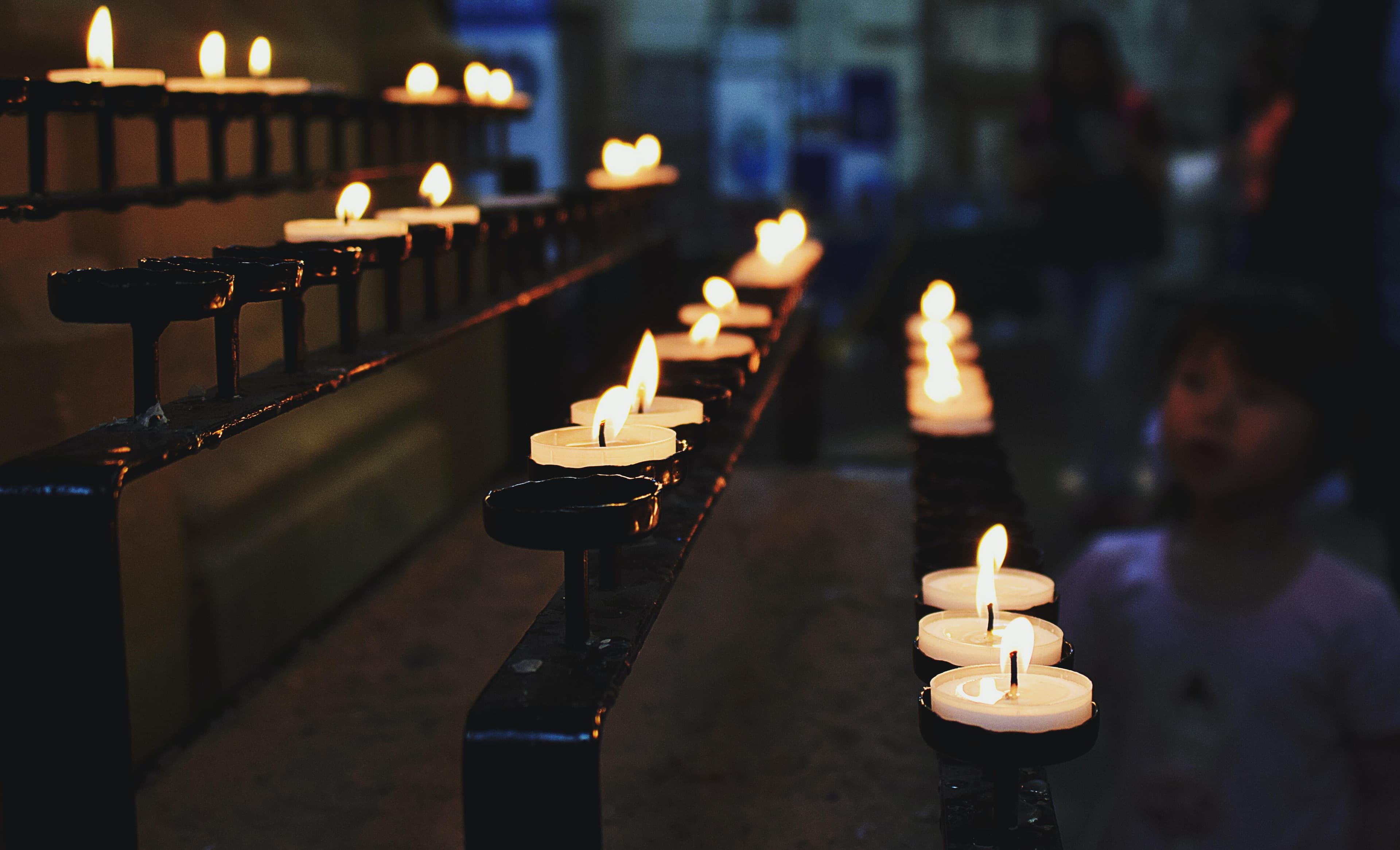
Today is All Souls Day, sometimes known by its fancier title that is posted above. But we shouldn't just remember our beloved deceased today. Ideally we need to remember them every day so that we can help them get to heaven. We like to think that when someone dies, they go to heaven. But very few of us--or our loved ones--will die in a perfect state of grace, having atoned for all our sins. That is where God, in his mercy, helps us to atone before we are ready for heaven. Since nothing imperfect can enter heaven, many of us will need to spend some unspecified amount of time in purgatory. And this is where we, the friends and relatives of those departed souls, can come to their aid with our prayers. The simplest way is to pray the "Eternal Rest" pray. For those who might need a refresher it goes like this: "Eternal rest grant unto them O Lord, and let perpetual light shine upon them. May they, and the souls of the faithful departed, in Your mercy, O Lord, rest in peace."
Today is Halloween, or All Hallow's Eve, the Vigil of All Saints (All Hallows) Day. Tomorrow is All Saints Day, a holy day of obligation. And Thursday is All Souls Day, the day we remember and pray for our departed family and friends. These 3 days make up a triduum known as All Hallowtide or Hallowmass. They remind us that we still believe in heaven and hell, that we have an obligation to pray for those in purgatory and of the communion of saints.
Here's a saint whose name might sound a bit familiar--but perhaps that's because we know the story about the swallows that return, every year, to Mission San Juan Capistrano in California, which has clearly been named for him. Our St. John that we are discussing today was born in 14th century Italy. He had a successful career as a lawyer before deciding to become a Franciscan friar. He was a reformer of their order and of the Poor Clare's, and he traveled barefoot throughout Europe preaching the Gospel. At 70, he led a Crusade against invaders, finally succumbing, after a successful battle, to the plague. St. John, pray for us!
Like yesterday's St. Margaret, Elizabeth was a loving wife and mother. The circumstances of her betrothal and marriage differ greatly from Margaret's but her life isn't all that different. She too was particularly concerned about the poor, something her husband's family despised her for. The famous tale about this is that once, as she was taking bread from the castle to the village she met her husband and his hunting party on the way. They demanded to know what was in the basket--and as these wonderful tales go, when she showed them, they saw roses. He husband died on the way to the Crussdes and she became a Franciscan tertiary. She is the patron of bakers, the homeless, widows, charities and nursing. St. Elizabeth, pray for us.
Our first saint is St. Gertrude, often called "the Great" ( the only woman who is so designed). She was born in 1256 and was sent to the Cistercian monastery school--where she remained for the rest of her life--at 4 years old. She began receiving a series of visions of Jesus about the age of 25. She is known for her devotion to the souls in purgatory, and to the poor and the dying. St. Margaret of Scotland is going to sound a bit like tomorrow's saint. She is credited with civilizing her Scottish husband, with establishing shrines and churches, including a ferry to take people to St. Andrew's shrine, and with generally encouraging piety at a time (12 century) when paganism was still established. She is the mother of 4 Scottish kings, and 8 children in all. Saints Margaret and Gertrude, pray for us!
St. Albert was a Dominican bishop who wrote, taught and preached across Germany and eventually in Paris, where one of his students was Thomas Aquinas. Albert's writings on Aristotle and the natural world helped set up Aquinas for his own great writings. One of Albert's nicknames was "Boots the Bishop " because in his humility he walked across his diocese rather than riding a horse. He is the patron of scientists and philosophers. St. Albert, pray for us.
Mother Cabrini, as she was affectionately called, is the first American citizen to be canonized. Although she was born in Italy in 1850 and dreamed of going to China as a missionary, she was sent instead to the United States, where she became a naturalized citizen. She ministered to the immigrants in New York and Chicago by founding schools, hospitals and orphanages to serve them. By the time she died in 1909, she had founded 67 institutions dedicated to caring for Christ's poor in some way. She was a true servant of God. St. Frances, pray for us!
Today we celebrate the Feast of the Dedication of the Lateran Basilica. You can be forgiven if you are not too familiar with this feast day or why we are celebrating it. Even those of you who have visited Rome--where this Archbasilica is located--may not really get what the fuss is about. I get that. I have been to the Lateran Basilica and I too must say that I am underwhelmed by it. But it is not the building that we celebrate, of course. It never really is, is it? This is the oldest church in Rome, dating back to 324 (although it has been rebuilt several times since then). It is the Cathedral Church of the diocese of Rome and as such, it is the Pope's church where he, as Bishop of Rome, presides. Underneath its altar is supposedly a small wooden table where Peter (yes, that Peter!) celebrated Mass. So today is deservedly a feast and Catholics everywhere should revere our spiritual home.
Today is All Souls Day, sometimes known by its fancier title that is posted above. But we shouldn't just remember our beloved deceased today. Ideally we need to remember them every day so that we can help them get to heaven. We like to think that when someone dies, they go to heaven. But very few of us--or our loved ones--will die in a perfect state of grace, having atoned for all our sins. That is where God, in his mercy, helps us to atone before we are ready for heaven. Since nothing imperfect can enter heaven, many of us will need to spend some unspecified amount of time in purgatory. And this is where we, the friends and relatives of those departed souls, can come to their aid with our prayers. The simplest way is to pray the "Eternal Rest" pray. For those who might need a refresher it goes like this: "Eternal rest grant unto them O Lord, and let perpetual light shine upon them. May they, and the souls of the faithful departed, in Your mercy, O Lord, rest in peace."
Today is Halloween, or All Hallow's Eve, the Vigil of All Saints (All Hallows) Day. Tomorrow is All Saints Day, a holy day of obligation. And Thursday is All Souls Day, the day we remember and pray for our departed family and friends. These 3 days make up a triduum known as All Hallowtide or Hallowmass. They remind us that we still believe in heaven and hell, that we have an obligation to pray for those in purgatory and of the communion of saints.
Here's a saint whose name might sound a bit familiar--but perhaps that's because we know the story about the swallows that return, every year, to Mission San Juan Capistrano in California, which has clearly been named for him. Our St. John that we are discussing today was born in 14th century Italy. He had a successful career as a lawyer before deciding to become a Franciscan friar. He was a reformer of their order and of the Poor Clare's, and he traveled barefoot throughout Europe preaching the Gospel. At 70, he led a Crusade against invaders, finally succumbing, after a successful battle, to the plague. St. John, pray for us!